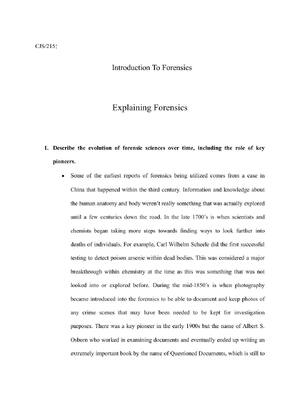
Business > CASE STUDY > PSYC7115 Assignment3.docx PSY7115 Capella University PSY7115 Research Foundations of Hi (All)
PSYC7115 Assignment3.docx PSY7115 Capella University PSY7115 Research Foundations of Hi
Document Content and Description Below
Last updated: 4 years ago
Preview 1 out of 2 pages
Instant download

Buy this Document to get the Full Access Instantly
Provided by Students Who Aced it
We Verify Document Content to Gurantee Accuracy
Reviews( 0 )
Document information
Connected school, study & course
About the document
Uploaded On
Sep 18, 2022
Number of pages
2
Written in
All

Additional information
This document has been written for:
Uploaded
Sep 18, 2022
Downloads
0
Views
71
Topic Tags
Recommended For You
Get more on CASE STUDY »
PSYC 7115 Assignment4.docx PSY7115 Capella University PSY711...
WestJet in 2009 The Fleet Expansion Decision, By Stewart Thorn...
Solution Manual for Canadian Income Taxation 20232024 26th Edi...
Solution Manual for Canadian Income Taxation (2022-2023) 25th...
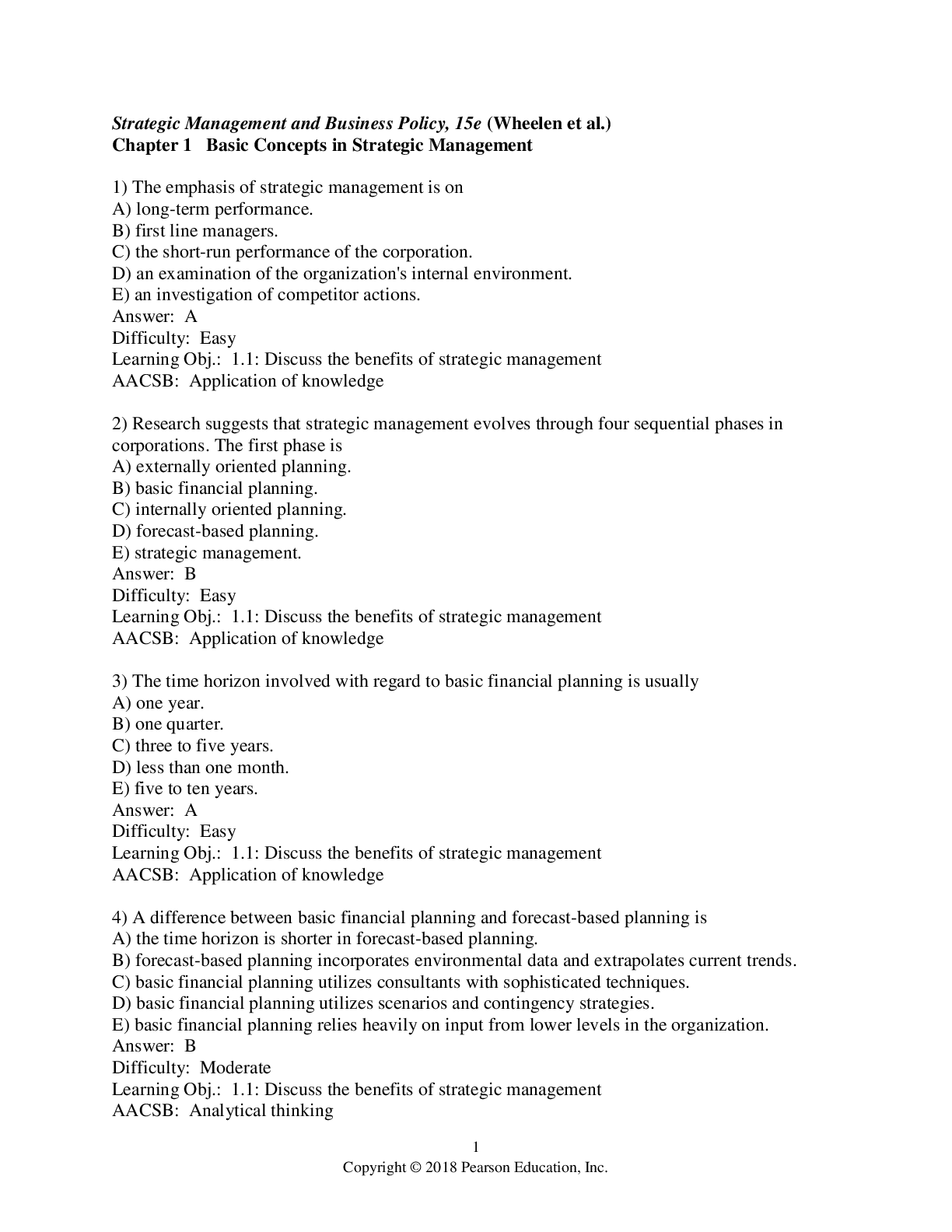
Concepts in Strategic Management and Business Policy Globaliza...

Business Law 17th Edition Langvardt Test Bank.Answers and chea...
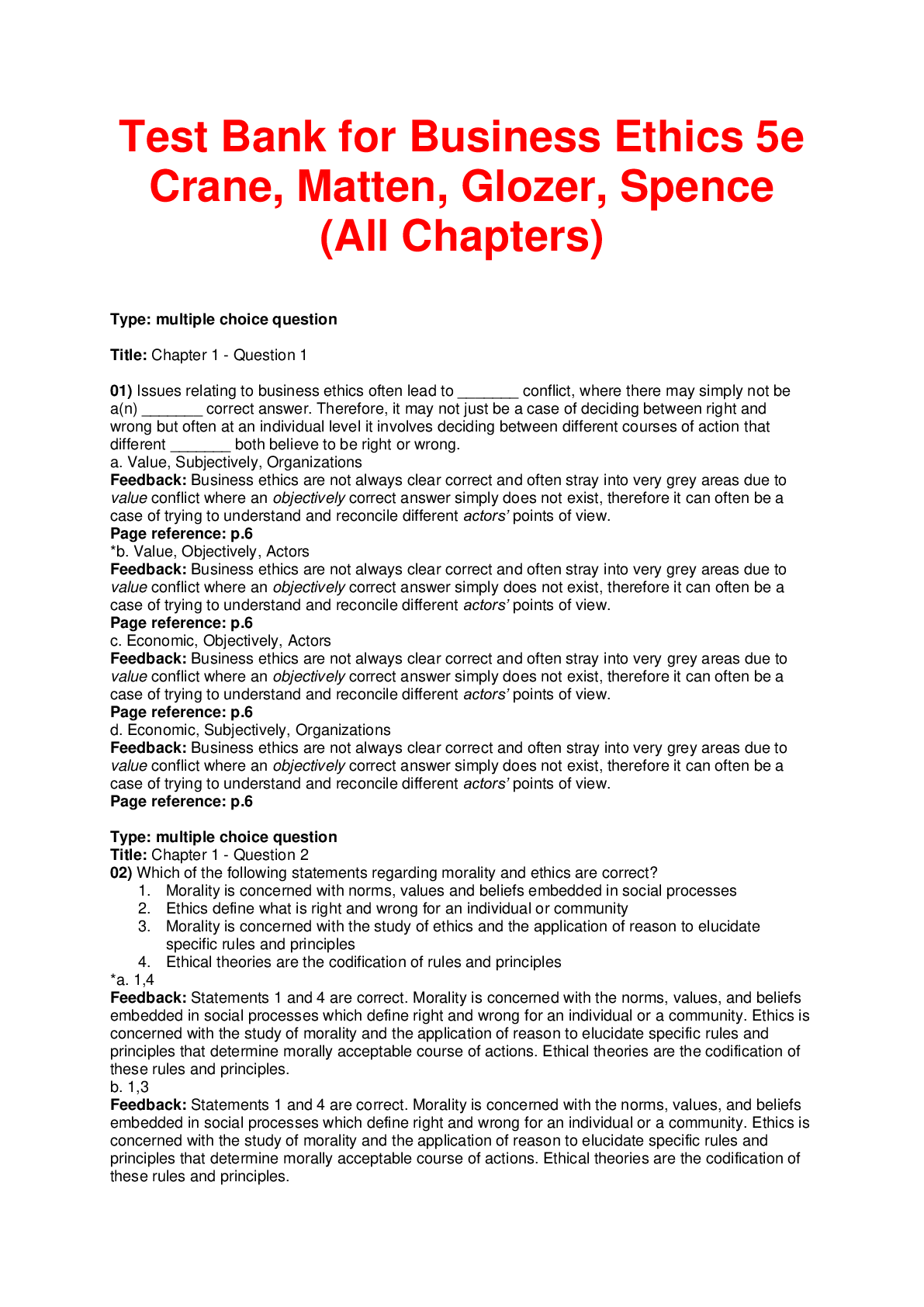
Business Ethics 5th Edition Crane, Matten, Glozer, Spence | Te...
Solutions Manual for Business Research Methods, 5th Edition By...