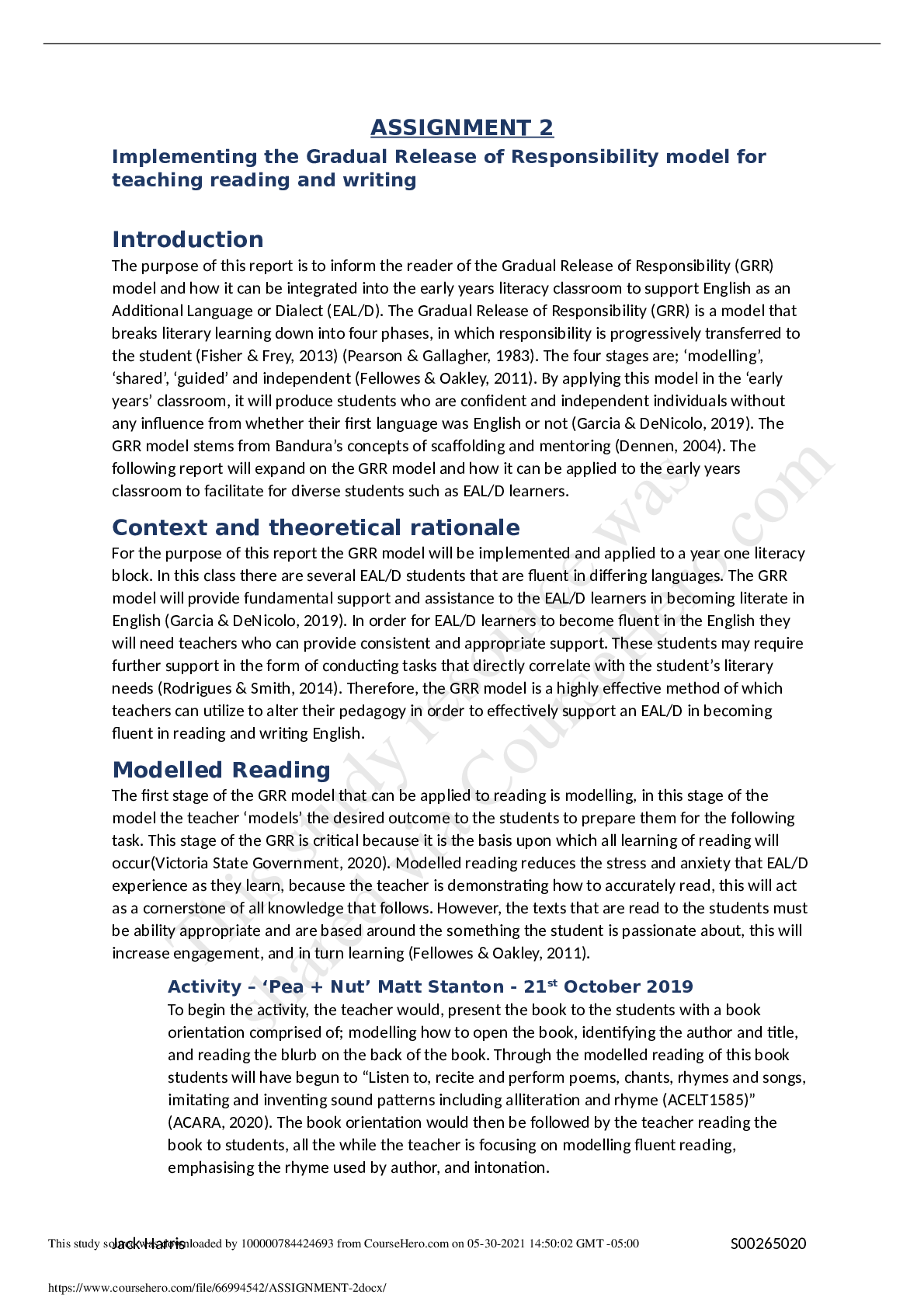
Florida State College at Jacksonville - HUM 2020Test Three Essay
Document Content and Description Below
April 25, 2016
HUM2020
Test Three Essay
How is the American Dream addressed in Hemingway’s To Have and Have Not? In your answer be
sure to address what Hemingway is saying about the American Dream through this narrat
...
[Show More]
Last updated: 3 years ago
Preview 1 out of 3 pages
Instant download
.png)
Buy this Document to get the Full Access Instantly
Provided by Students Who Aced it
We Verify Document Content to Gurantee Accuracy
Reviews( 0 )
Document information
Connected school, study & course
About the document
Uploaded On
Apr 03, 2021
Number of pages
3
Written in
All

Additional information
This document has been written for:
Uploaded
Apr 03, 2021
Downloads
0
Views
127
Topic Tags
Related Subjects & Courses
Explore similar study resources and related concepts.
Recommended For You
Get more on ESSAY » Block 1 to 7.png)
$18
128 Pages
PPME Block 1-7 - Primary Professional Military Education (Enli...


$19
21 Pages
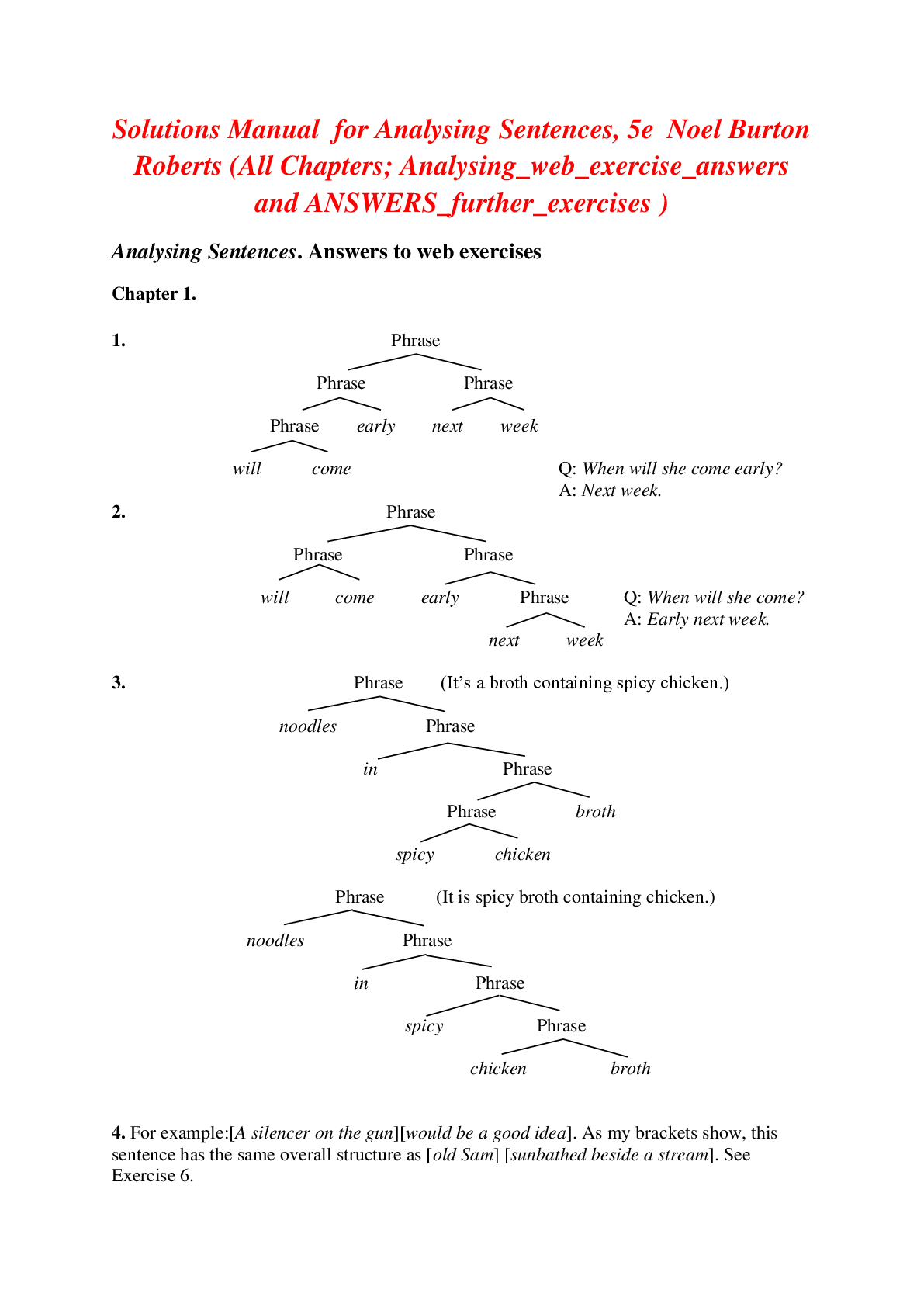
ATI TEAS 7 ENGLISH & LANGUAGE USAGE LATEST VERSION 37 QUESTION...

$20
21 Pages
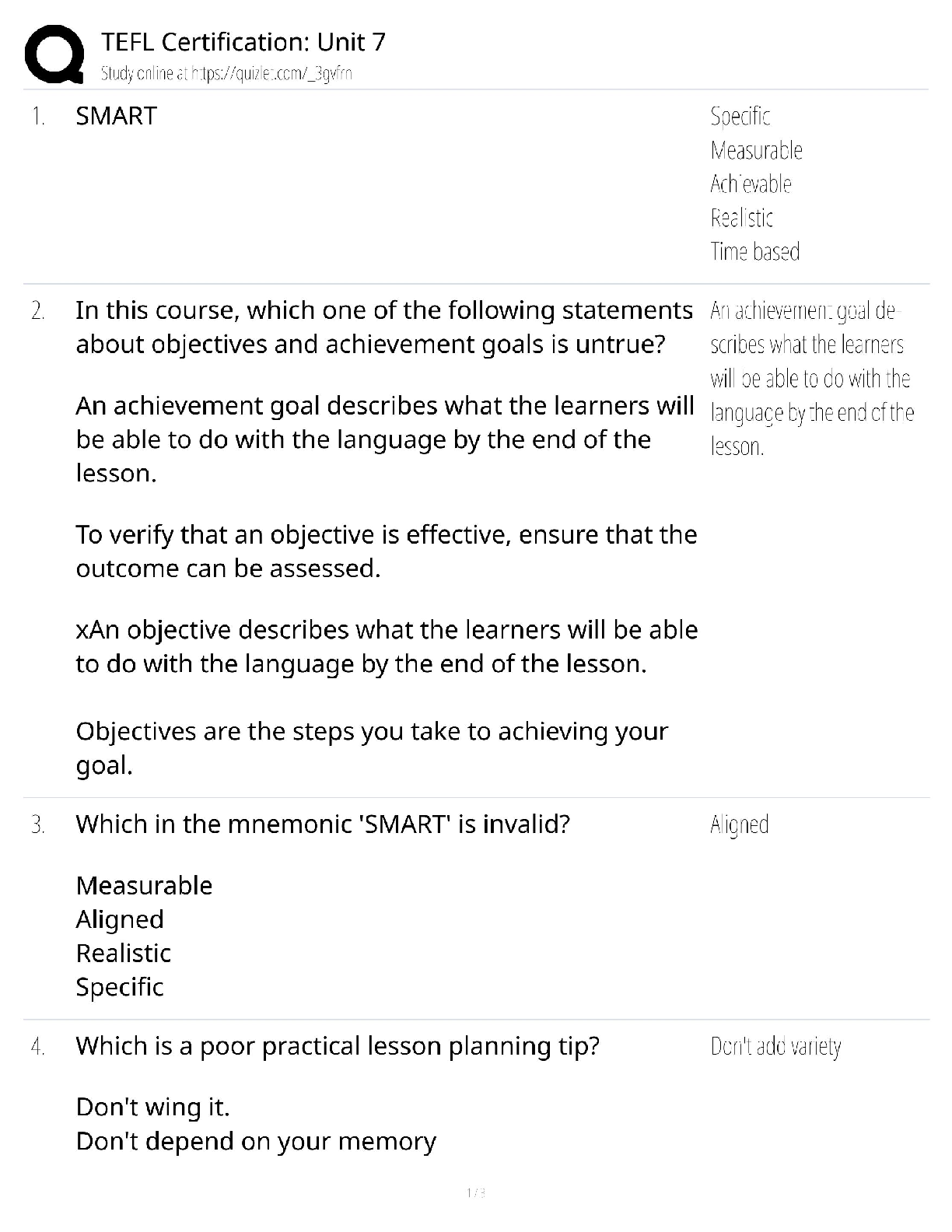
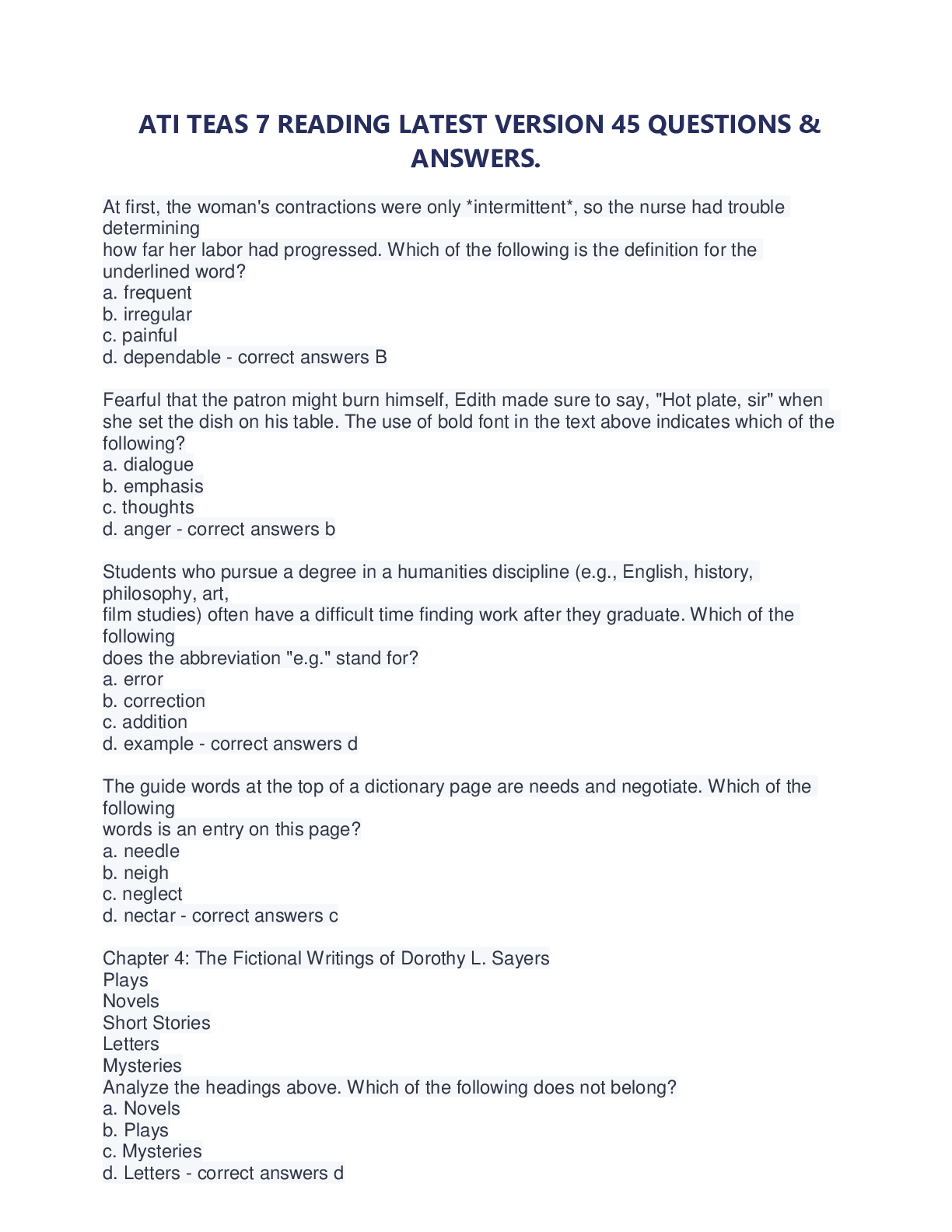
2023/2024 ATI TEAS 7 READING LATEST VERSION 45 QUESTIONS & ANS...


$14
376 Pages
UWorld Pediatric Nursing, complete questions & answers (elabor...
$6
20 Pages
Pearson Edexcel International GCSE ||English Language A PAPER...
$6
20 Pages
Pearson Edexcel International GCSE ||English Language A PAPER...

$6
28 Pages
Pearson Edexcel International GCSE || English Language A PAPER...
$6
28 Pages
Pearson Edexcel International GCSE || English Language A PAPER...
$6
20 Pages
Pearson Edexcel International GCSE ||English Language A PAPER...

$6
28 Pages
Pearson Edexcel International GCSE || English Language A PAPER...

$6
24 Pages
Pearson Edexcel International GCSE || English Language A PAPE...

$6
28 Pages
Pearson Edexcel International GCSE || English Language A PAPER...

$6
4 Pages
>_ A Level English Language H470/01: Exploring language || Que...
More related documents below




.png)