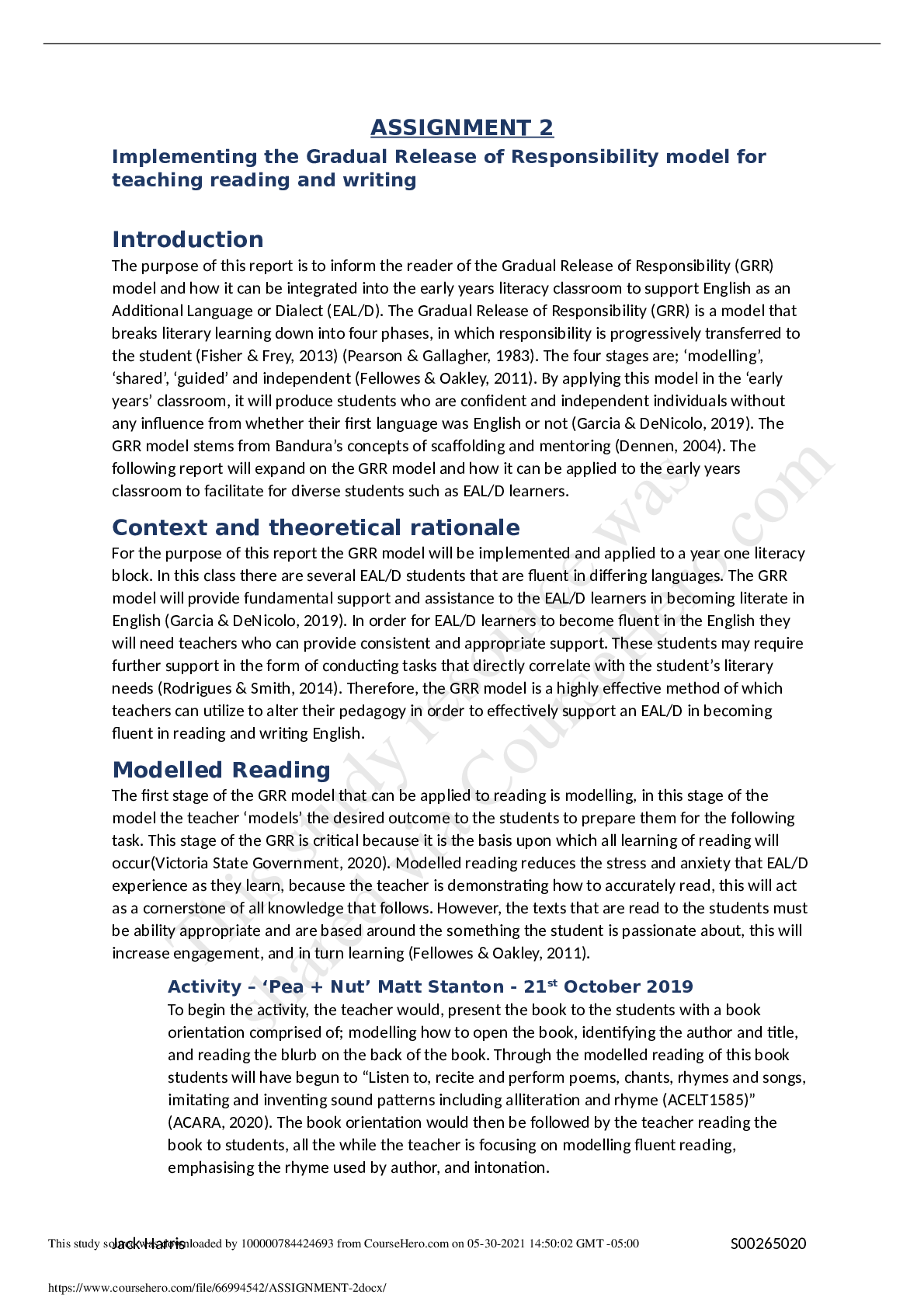
Philosophy > ESSAY > Florida Atlantic University - PHI 2010Rough draft>God’s Existence (All)
Florida Atlantic University - PHI 2010Rough draft>God’s Existence
Document Content and Description Below
Last updated: 3 years ago
Preview 1 out of 4 pages
Instant download

Buy this Document to get the Full Access Instantly
Provided by Students Who Aced it
We Verify Document Content to Gurantee Accuracy
Reviews( 0 )
Document information
Connected school, study & course
About the document
Uploaded On
Apr 04, 2021
Number of pages
4
Written in
All

Additional information
This document has been written for:
Uploaded
Apr 04, 2021
Downloads
0
Views
118
Topic Tags
Recommended For You
Get more on ESSAY »

Test Bank for Archetypes of Wisdom An Introduction to Philosop...

Introducing Philosophy A Text with Integrated Readings, 11th E...

PHI 2000 Introduction to Ethics Final Exam Sophia Course/PHI 2...

PHI 2000 Introduction to Ethics Final Exam Sophia Course/PHI 2...

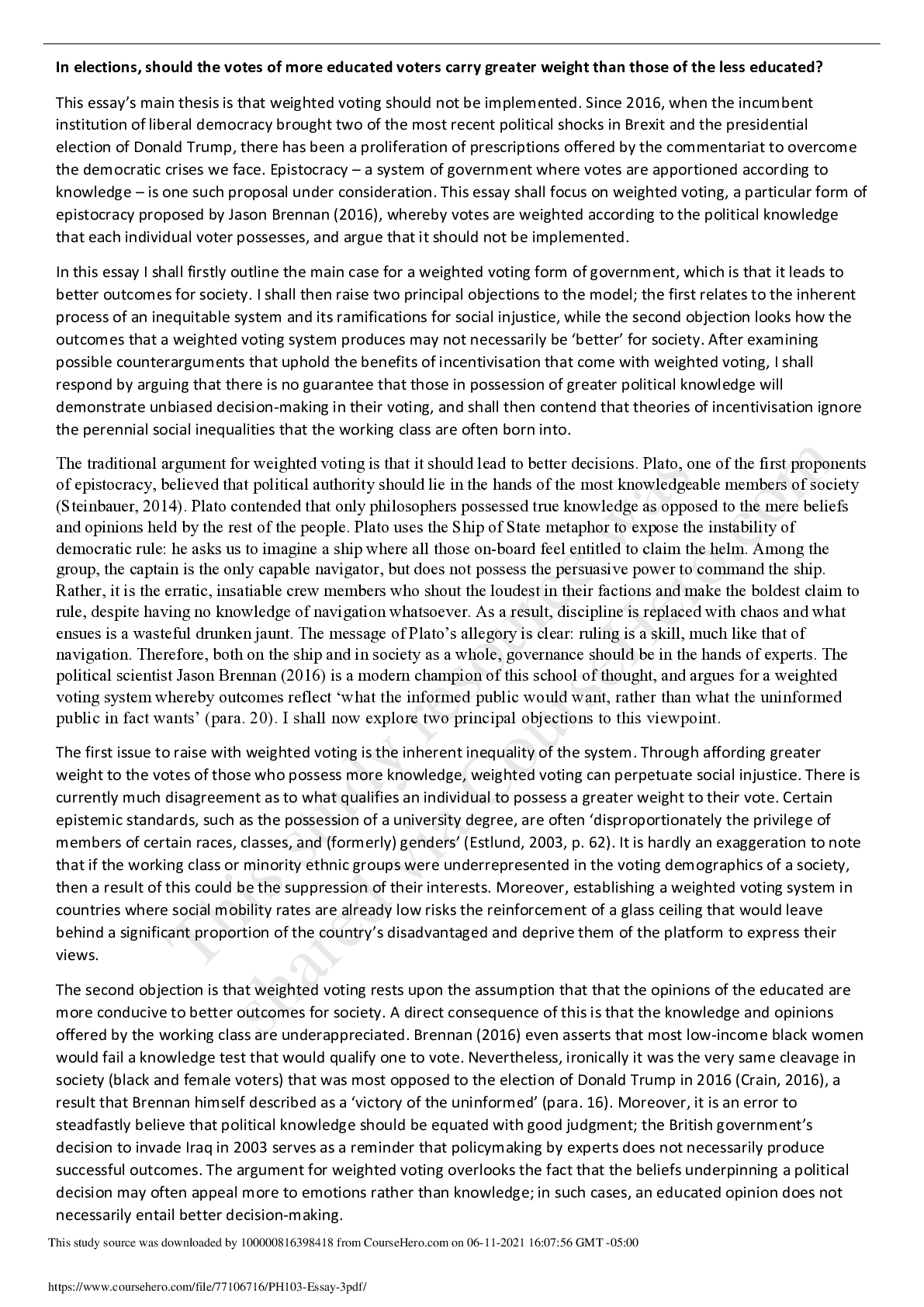
In elections, should the votes of more educated voters carry g...
.png)
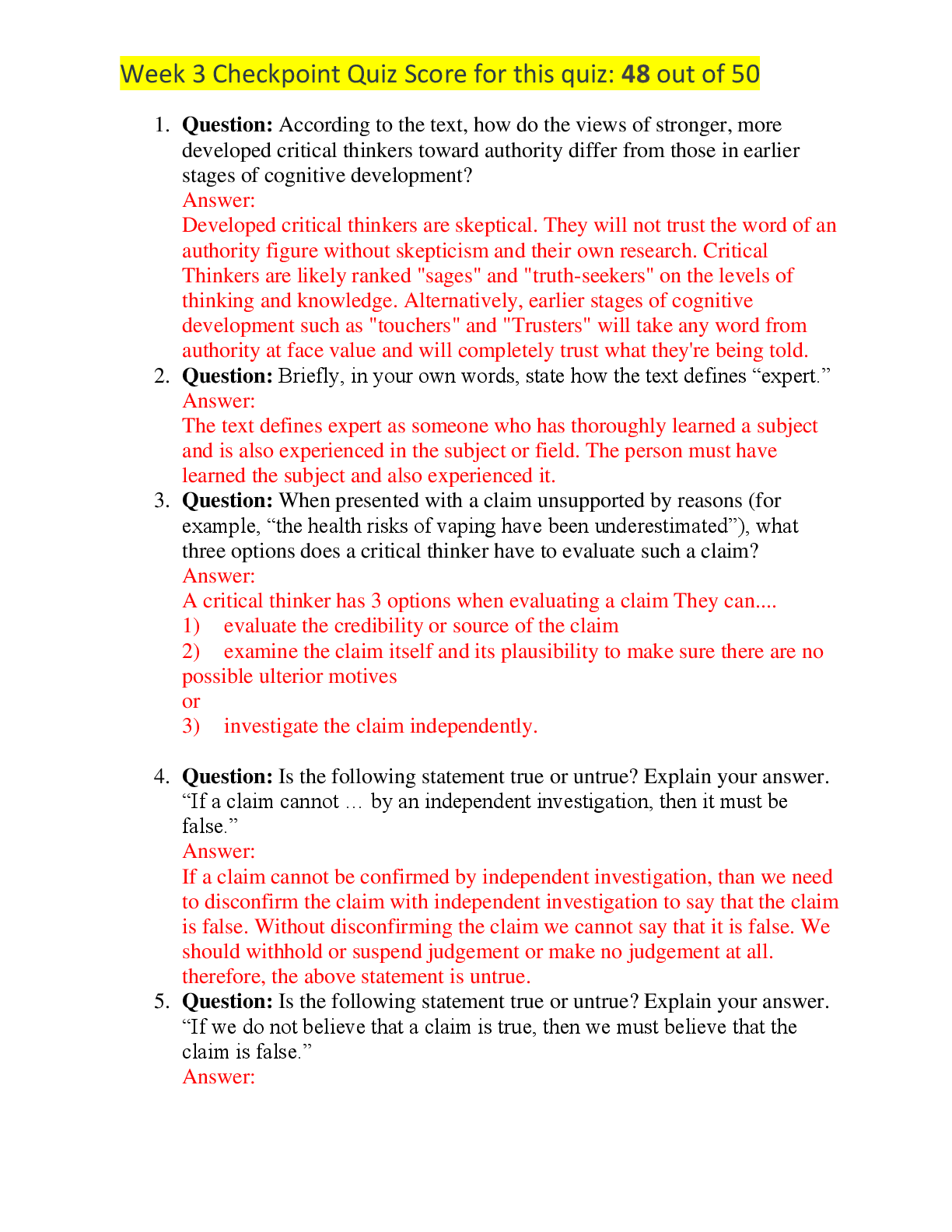
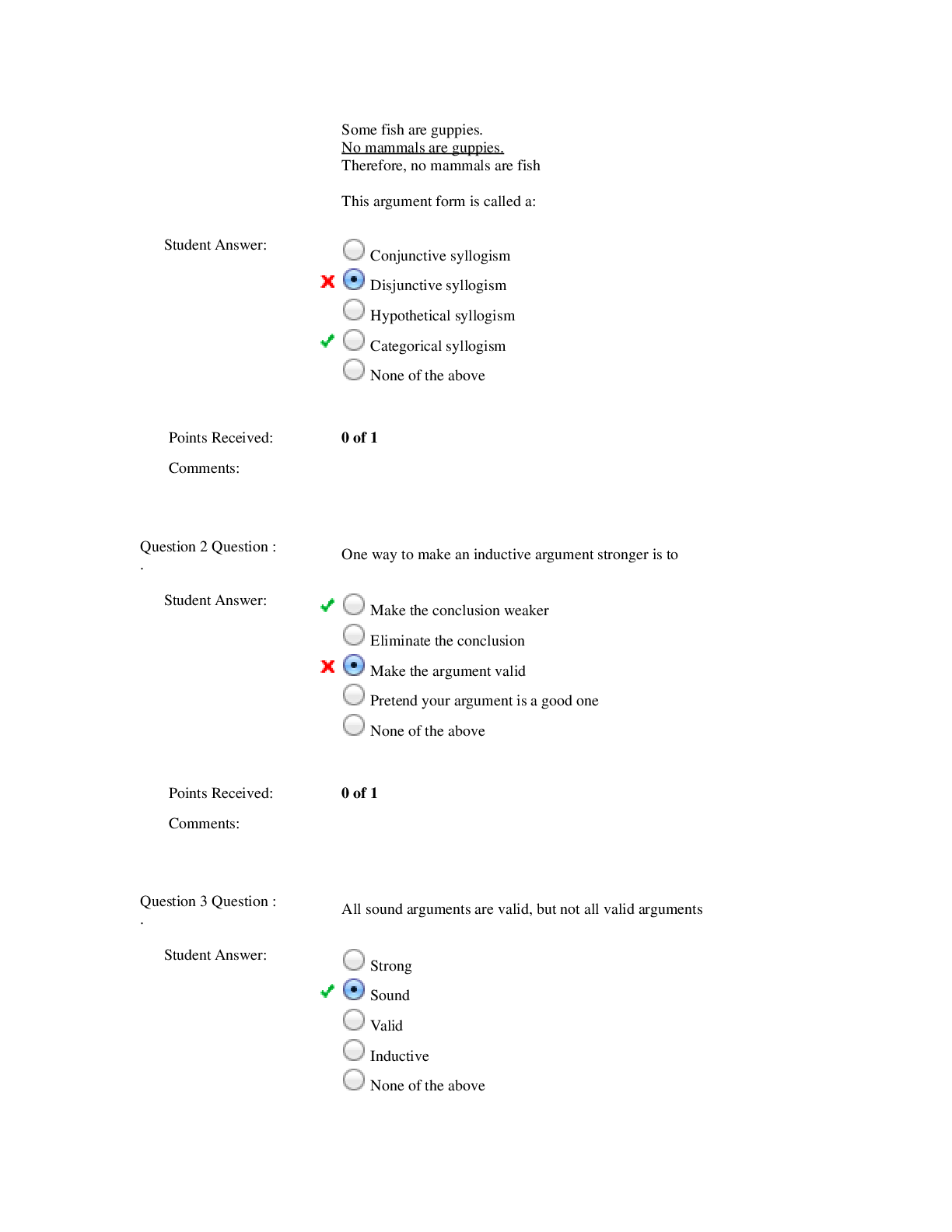
PHI 2000 Sophia Ethics Milestones. Introduction to Ethics Fina...





.png)