Business > CASE STUDY > PSYC_FP3500__Assesment2_1.docx PSYC_FP3500 Cognitive Psychology Paper PSYC-FP3500 Ass (All)
PSYC_FP3500__Assesment2_1.docx PSYC_FP3500 Cognitive Psychology Paper PSYC-FP3500 Ass
Document Content and Description Below
Last updated: 4 years ago
Preview 1 out of 3 pages
Instant download

Buy this Document to get the Full Access Instantly
Provided by Students Who Aced it
We Verify Document Content to Gurantee Accuracy
Reviews( 0 )
Document information
Connected school, study & course
About the document
Uploaded On
Sep 18, 2022
Number of pages
3
Written in
All

Additional information
This document has been written for:
Uploaded
Sep 18, 2022
Downloads
0
Views
62
Topic Tags
Recommended For You
Get more on CASE STUDY »
PSYC_FP3500__assessment1_1.docx PSYC_FP3500 Theories of Huma...

PSYC_FP3500__Assesment3_1.docx PSYC_FP3500 Impediments to Le...

PSYC_FP3500.docx PSYC-FP3500 Theories of Human Learning and...
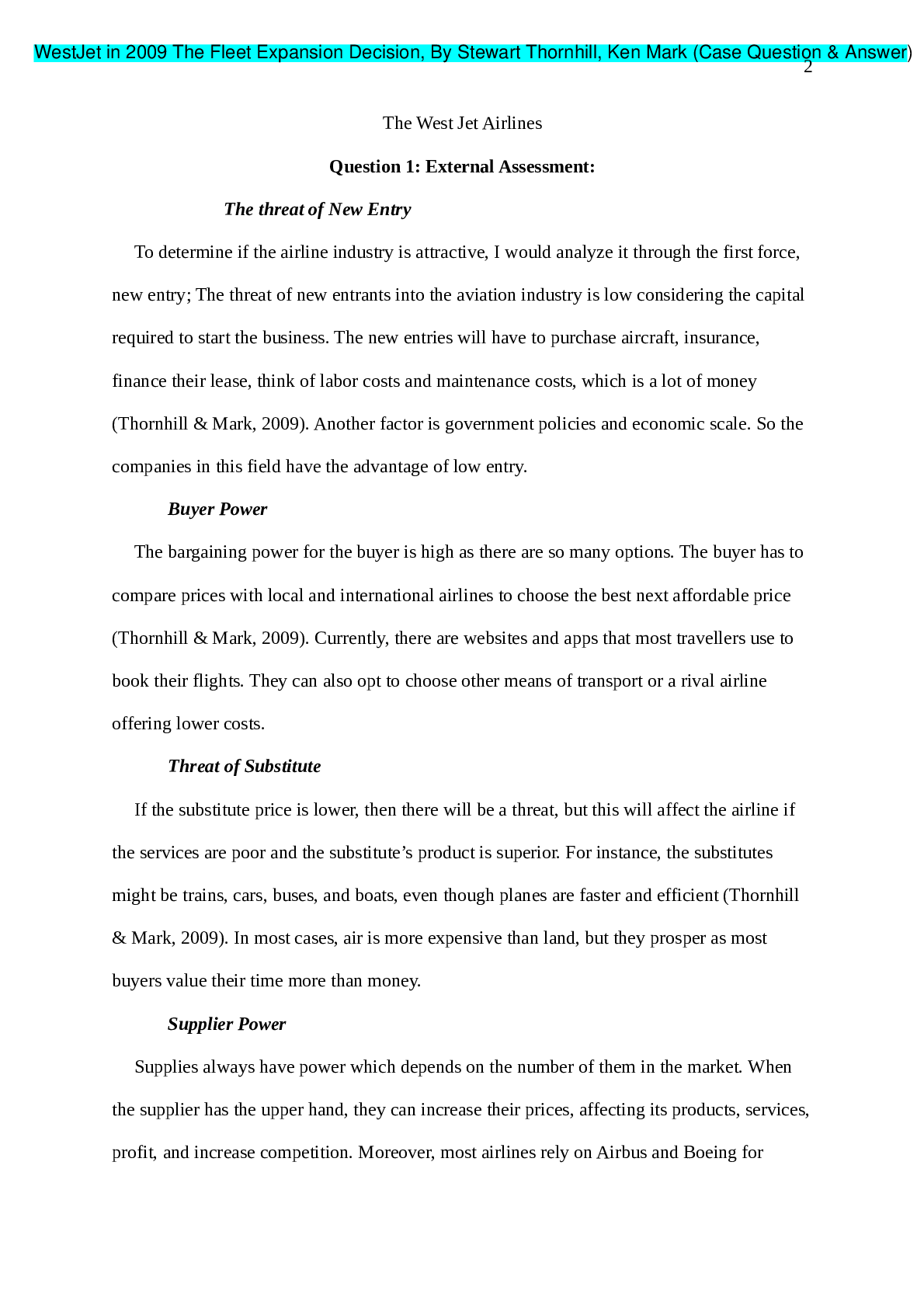
WestJet in 2009 The Fleet Expansion Decision, By Stewart Thorn...
Dollar Thrifty Automotive Group Online Discounting, By Chris K...
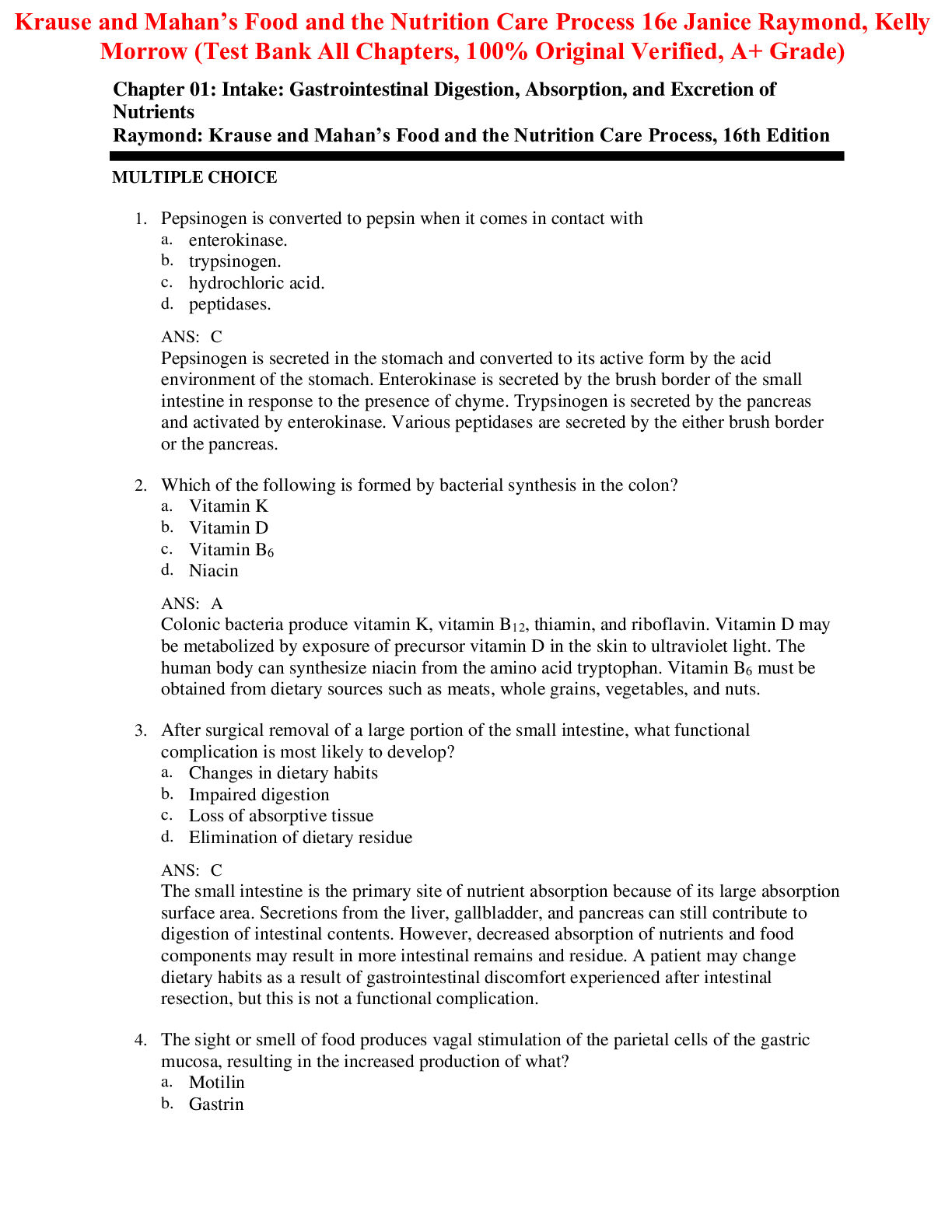
Test Bank For Krause and Mahan’s Food and the Nutrition Care P...