Business > CASE STUDY > HIS 314 4 2 Short Paper Midterm Essay.docx 4-2 Short Paper: Midterm Essay HIS-314 A (All)
HIS 314 4 2 Short Paper Midterm Essay.docx 4-2 Short Paper: Midterm Essay HIS-314 A
Document Content and Description Below
Last updated: 4 years ago
Preview 1 out of 5 pages
Instant download

Buy this Document to get the Full Access Instantly
Provided by Students Who Aced it
We Verify Document Content to Gurantee Accuracy
Reviews( 0 )
Document information
Connected school, study & course
About the document
Uploaded On
Oct 03, 2022
Number of pages
5
Written in
All

Additional information
This document has been written for:
Uploaded
Oct 03, 2022
Downloads
0
Views
81
Topic Tags
Recommended For You
Get more on CASE STUDY »
HIS 314 milestone 3.docx HIS-314 Milestone Three: Detailed...

HIS 314 Final Project Milestones One and Two 1 .docx Fina...

HIS314 Milestone one and Two.docx HIS-314-European Conquest...
WestJet in 2009 The Fleet Expansion Decision, By Stewart Thorn...
Dollar Thrifty Automotive Group Online Discounting, By Chris K...

TEST BANK for Essentials of Investments, 11th Edition by Zvi B...
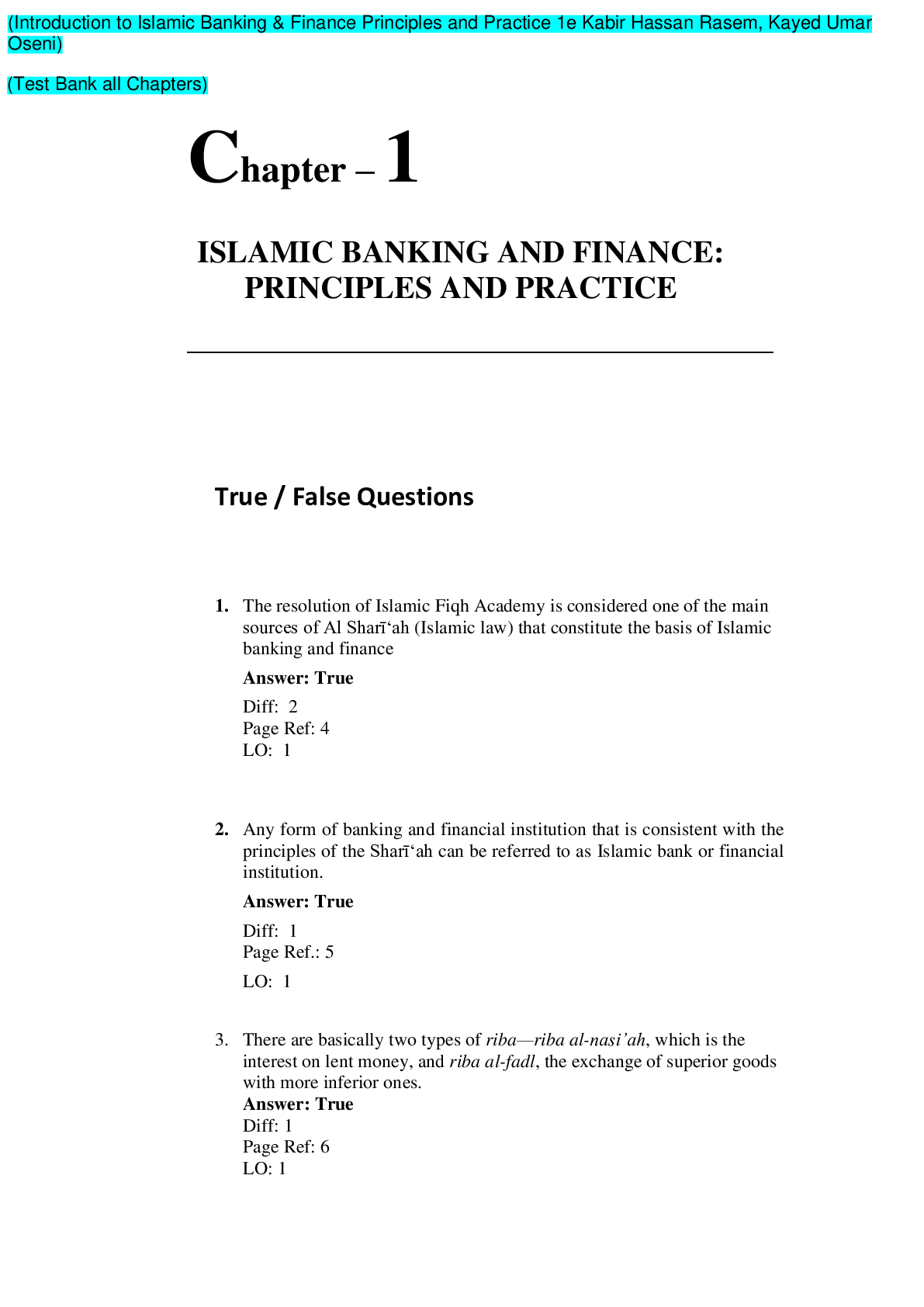
Introduction to Islamic Banking & Finance Principles and Pract...
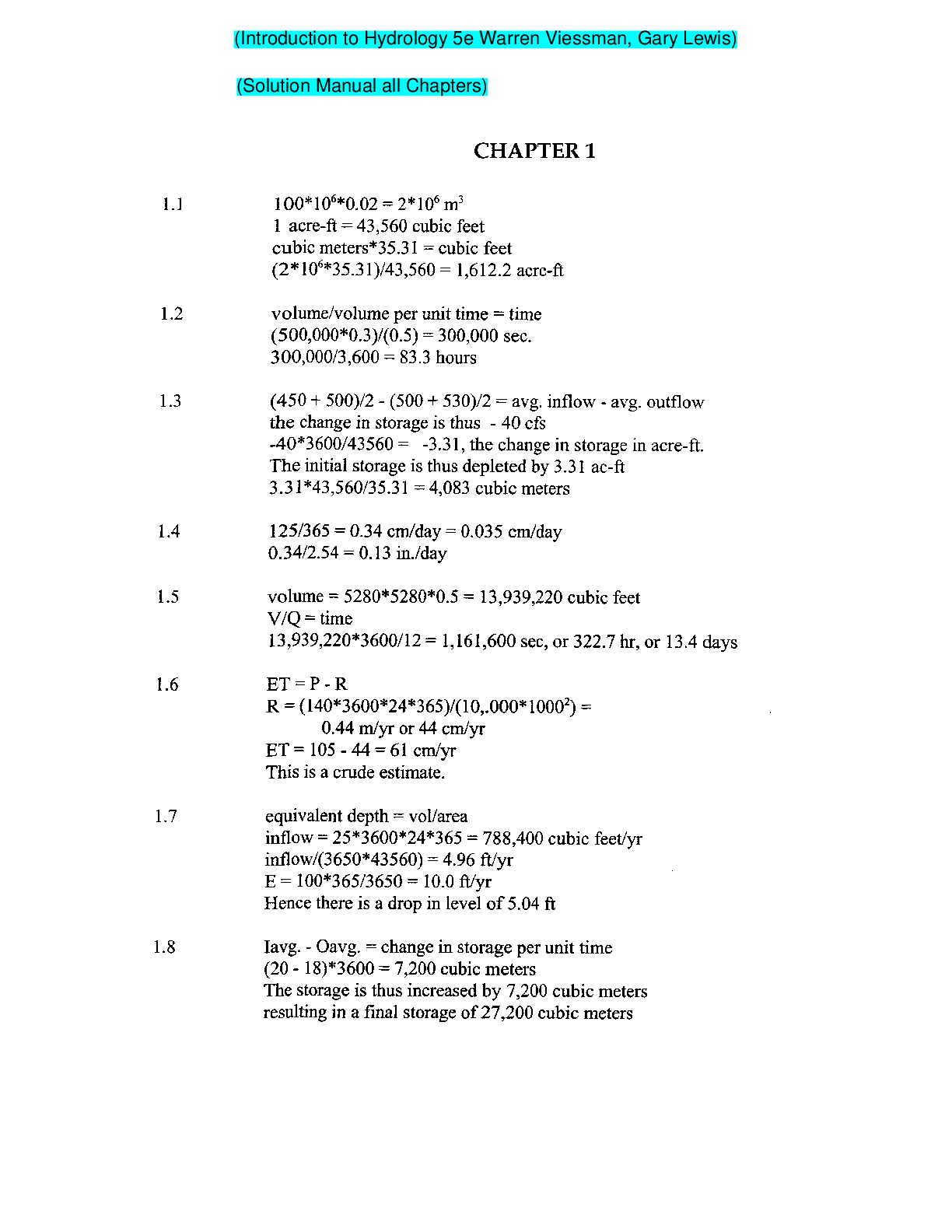
Introduction to Hydrology 5th Edition By Warren Viessman, Gary...
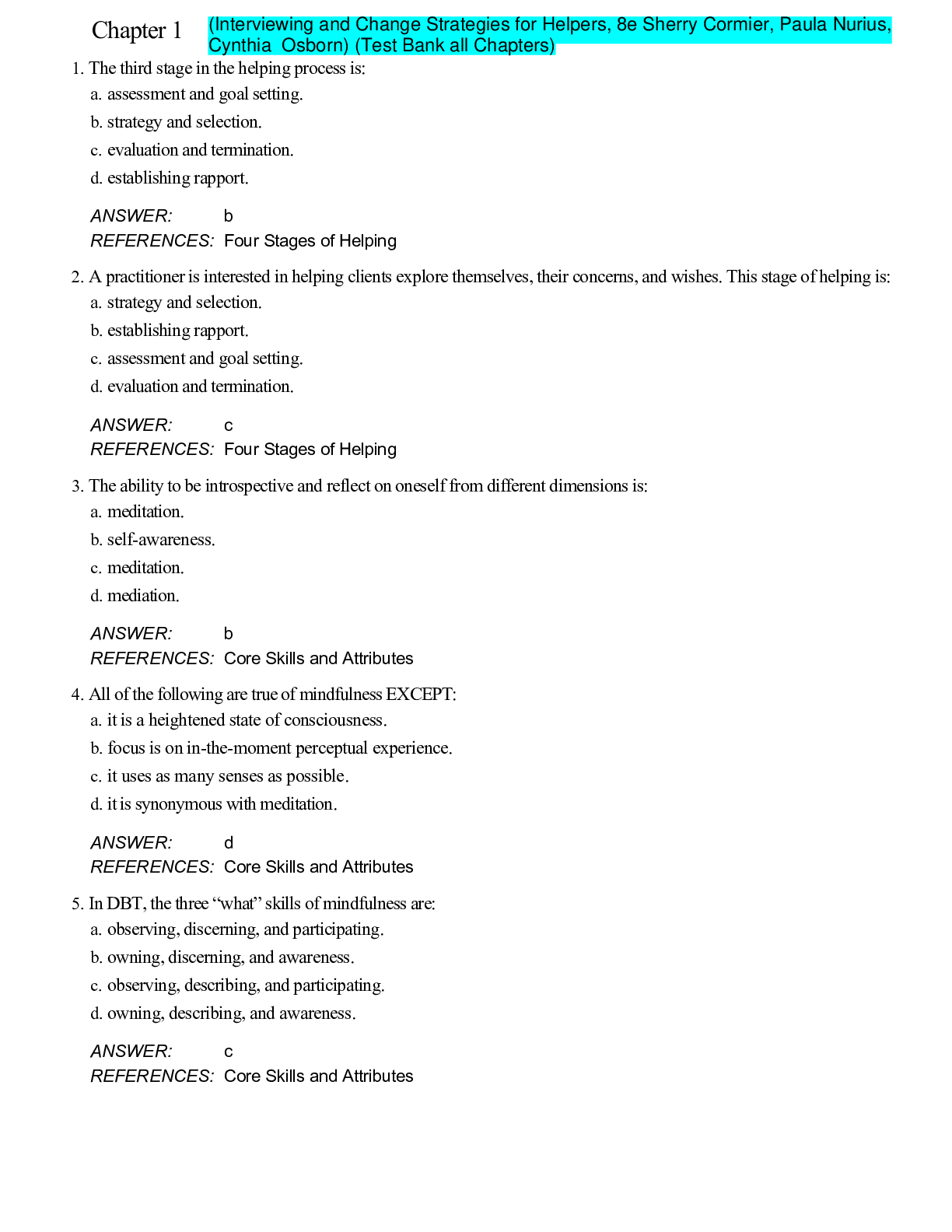
Interviewing and Change Strategies for Helpers 8th Edition By...
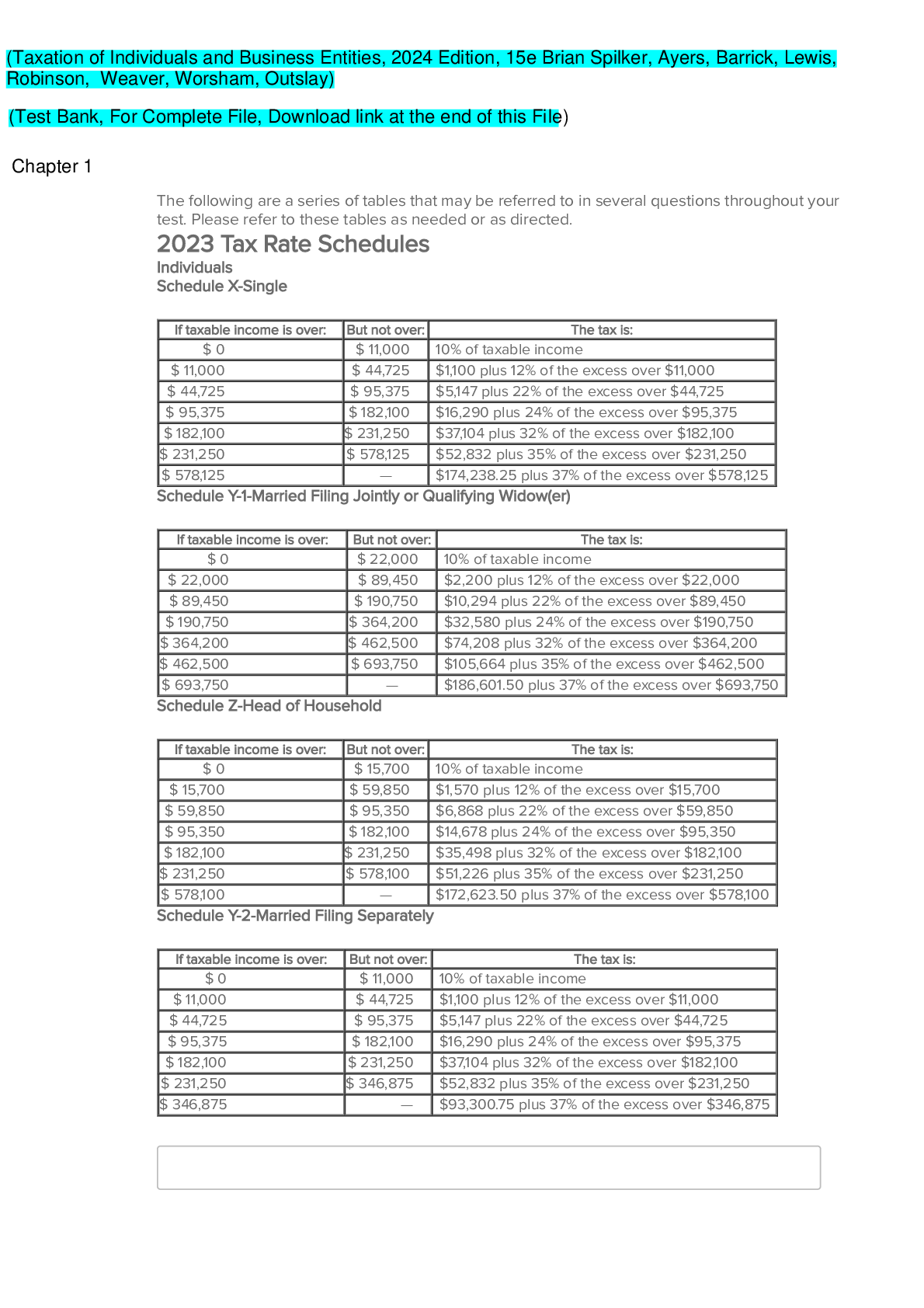
Taxation of Individuals and Business Entities, 2024 Edition 15...
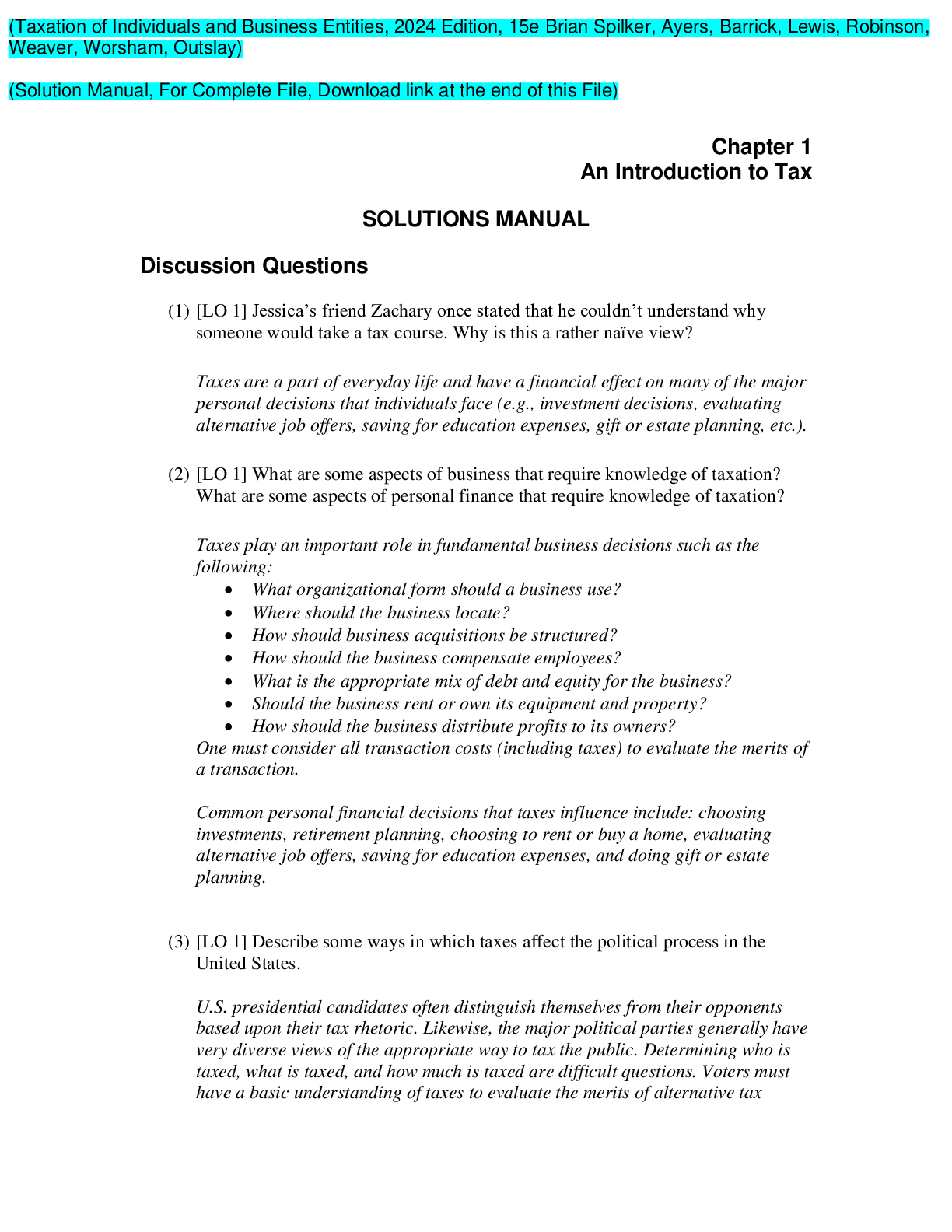
Taxation of Individuals and Business Entities, 2024 Edition 15...
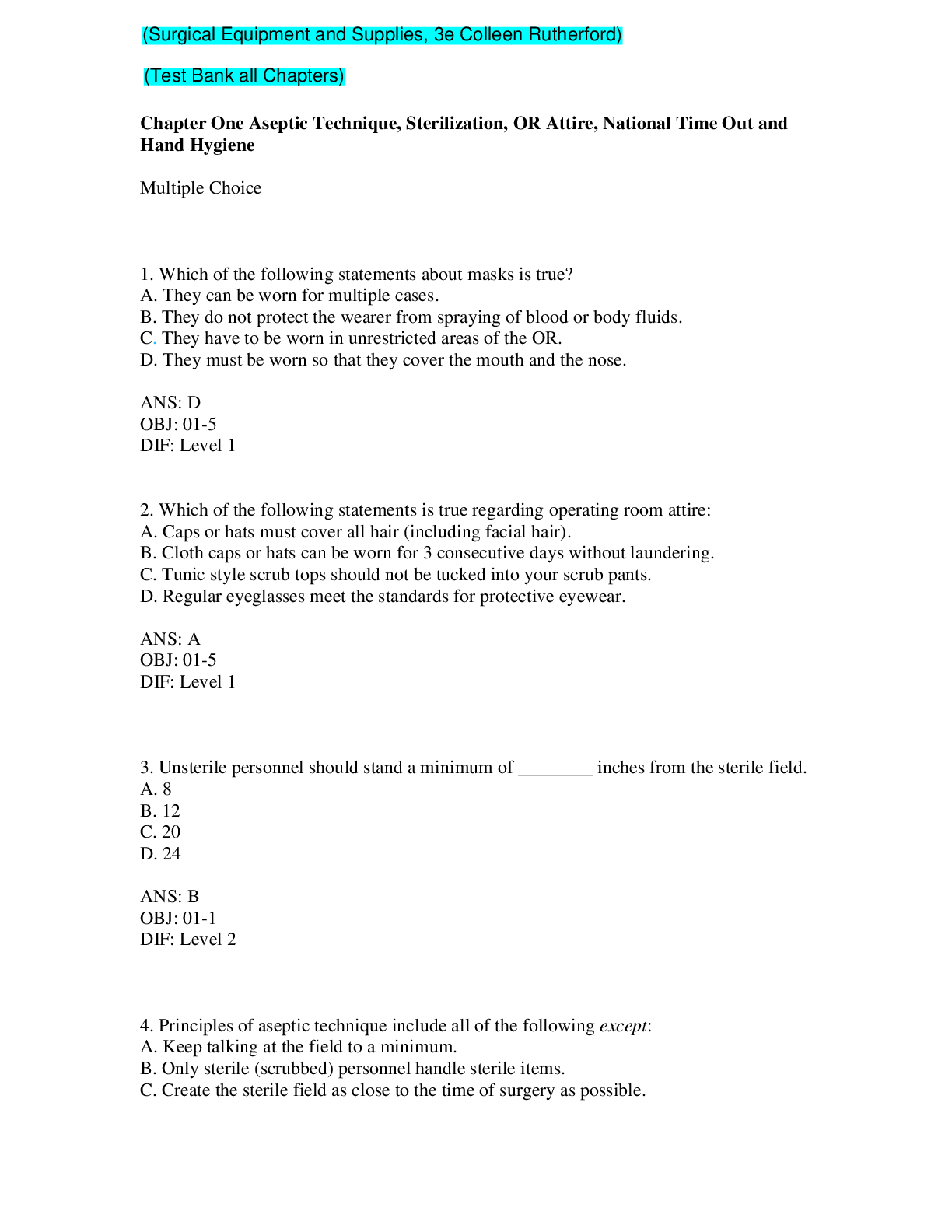
Surgical Equipment and Supplies 3rd Edition By Colleen Rutherf...
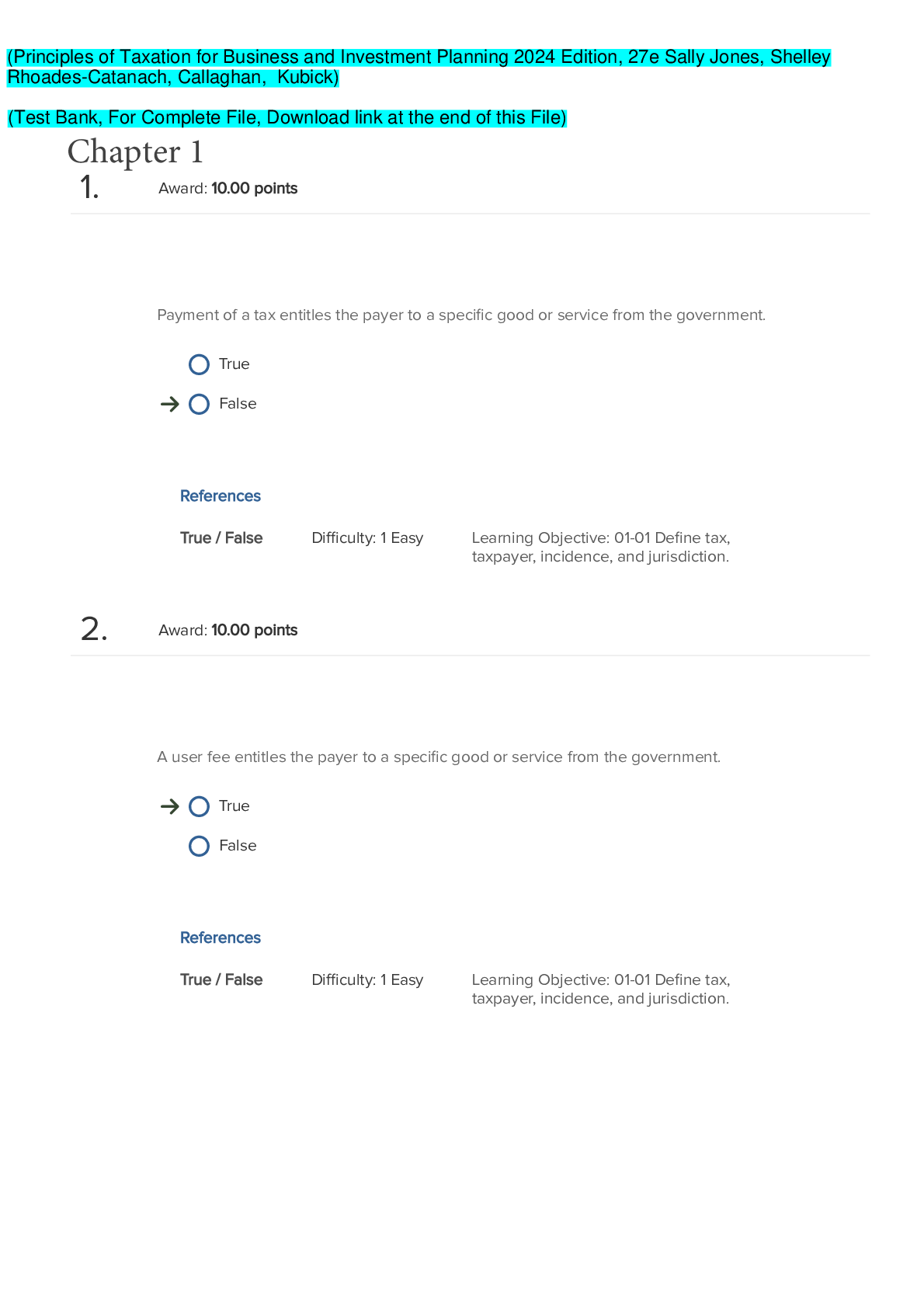
Principles of Taxation for Business and Investment Planning 20...
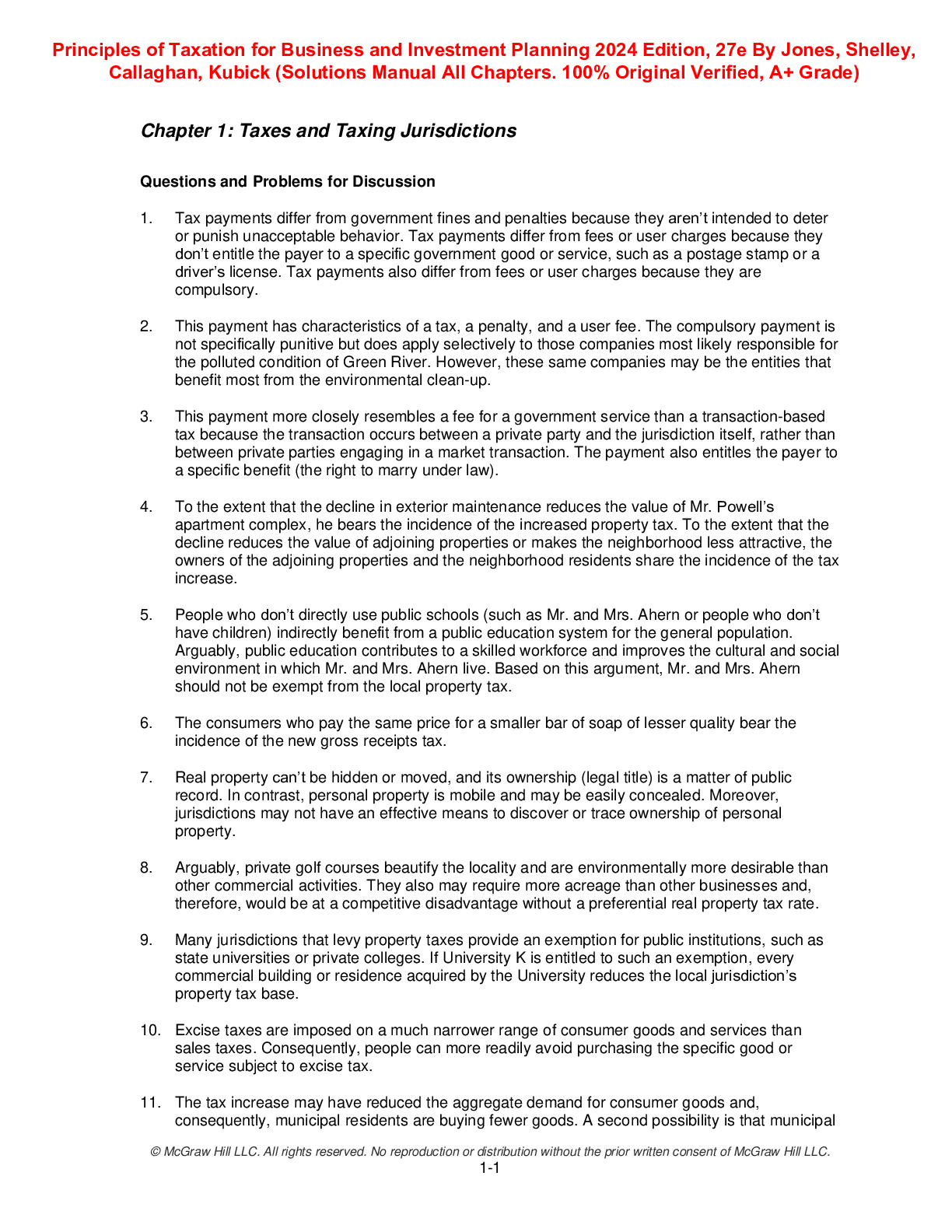
Principles of Taxation for Business and Investment Planning 20...
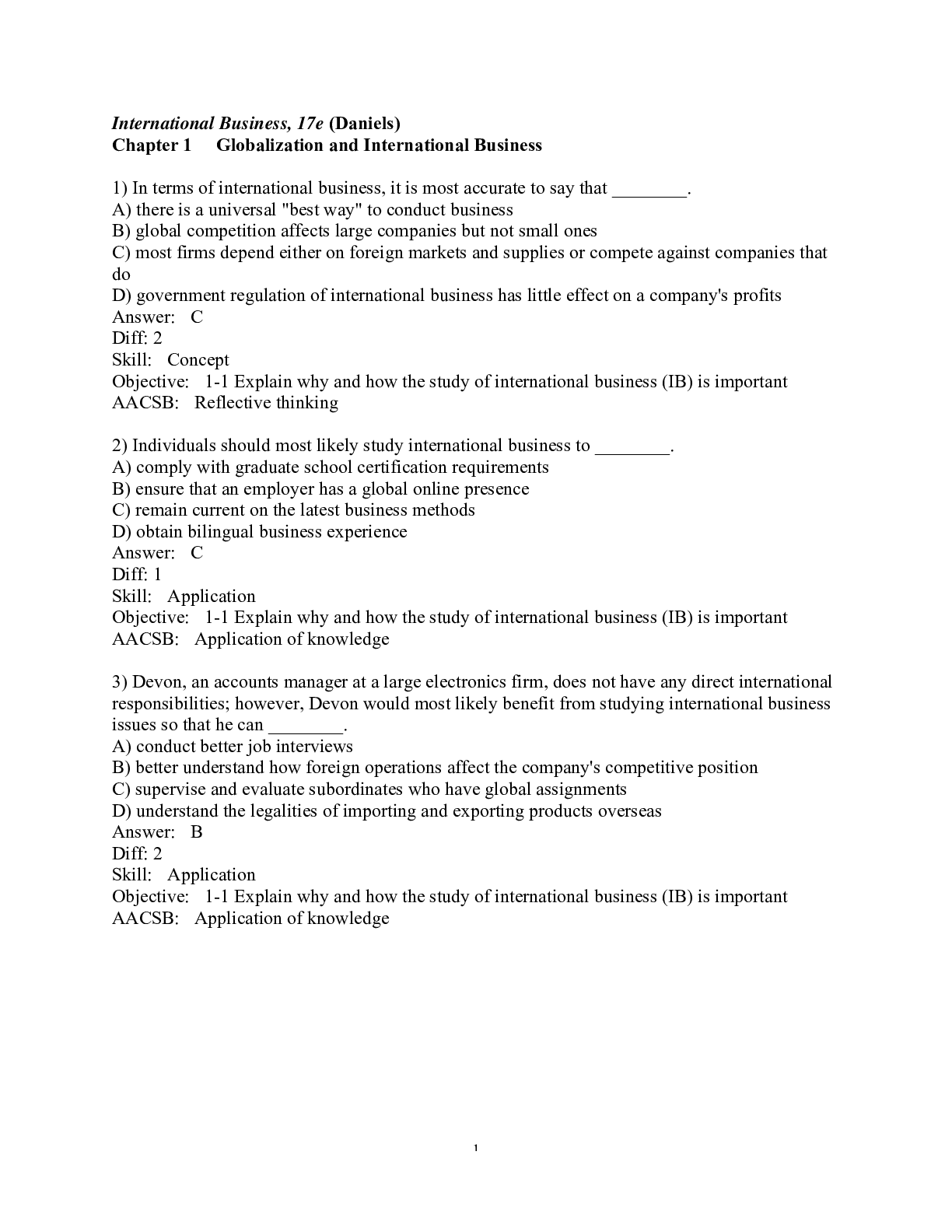
International Business 17e John Daniels, Lee Radebaugh, Daniel...
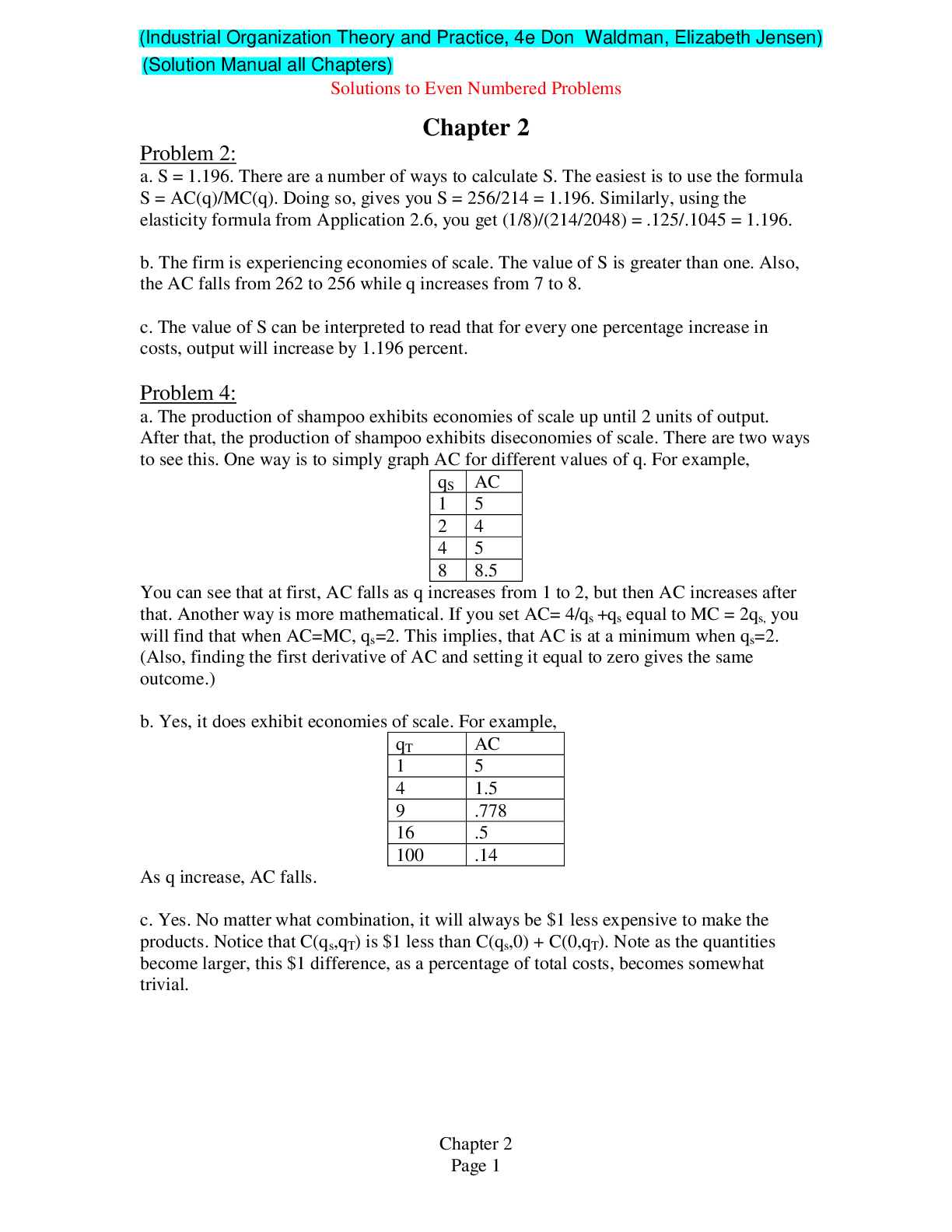
Industrial Organization Theory and Practice, 4e Don Waldman,...
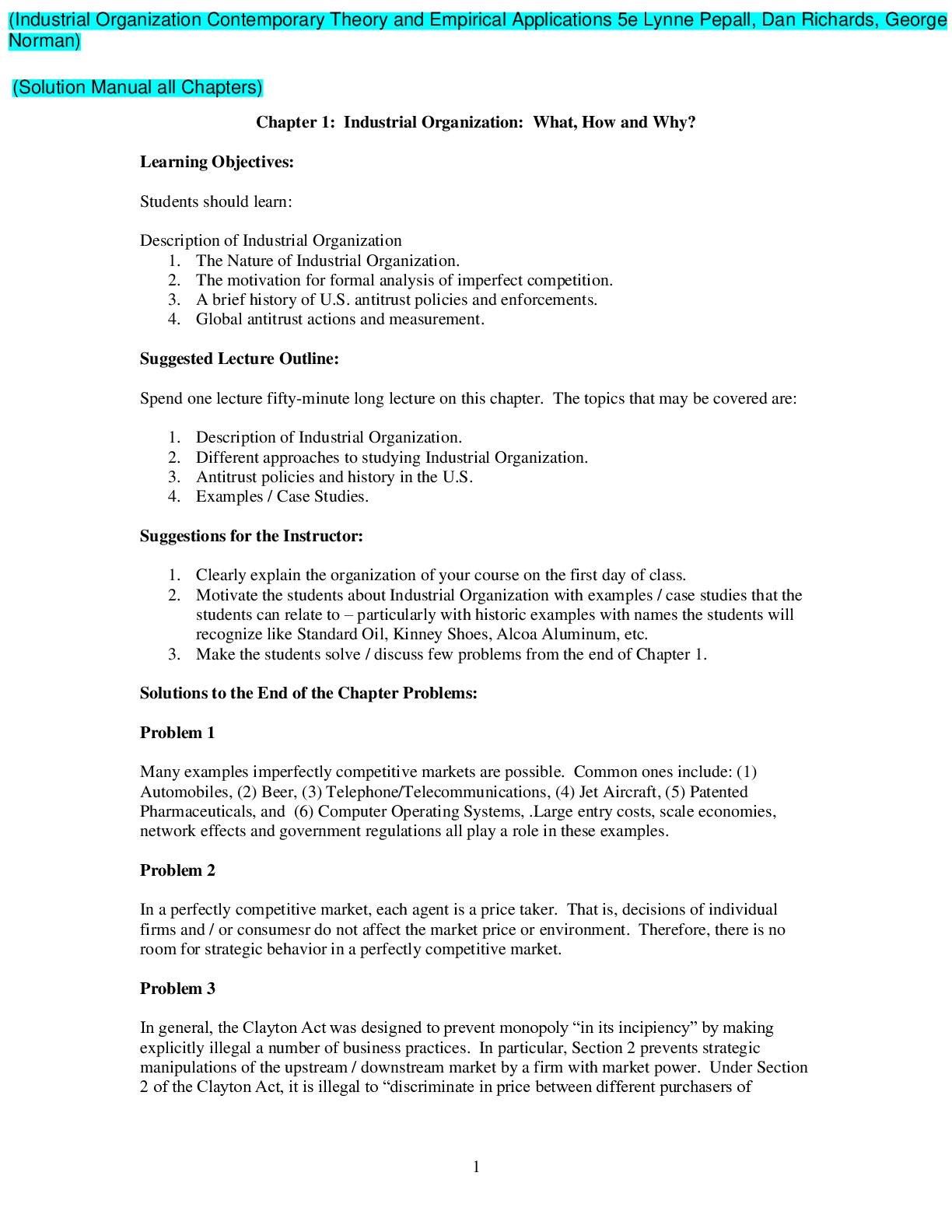
Industrial Organization Contemporary Theory and Empirical Appl...
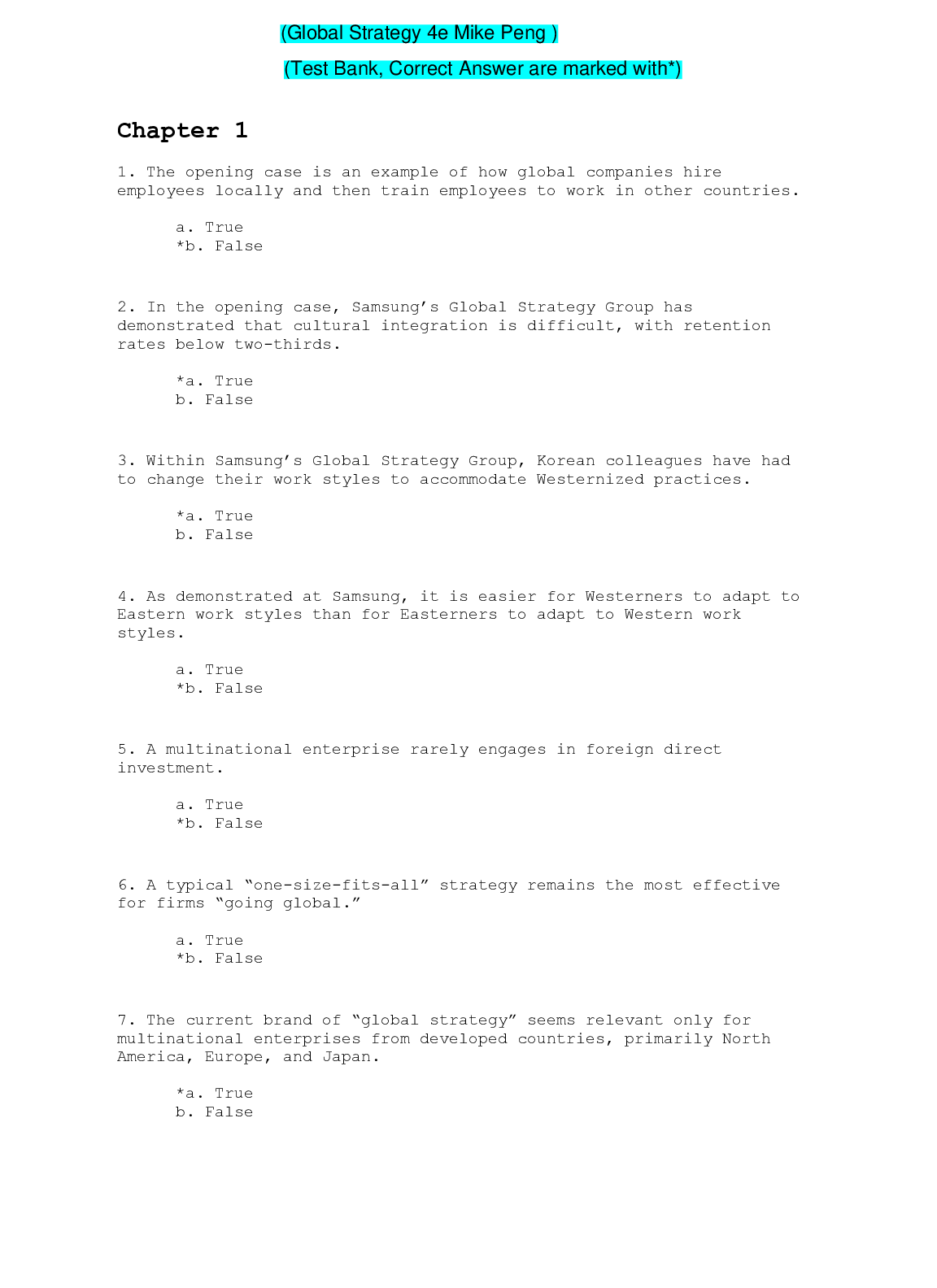
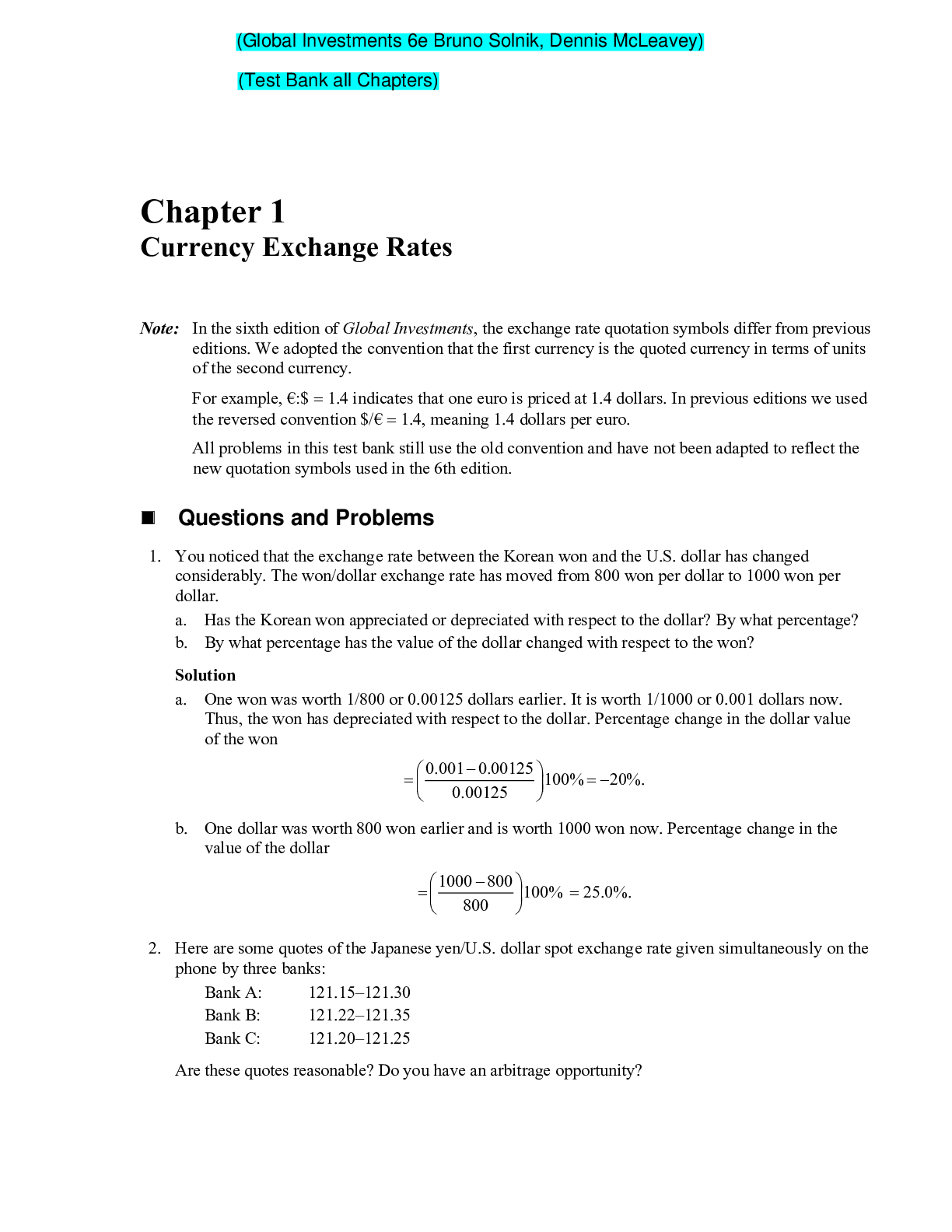
Global Investments 6e Bruno Solnik, Dennis McLeavey (Test Bank...