Chemistry > QUESTIONS & ANSWERS > CHEM CH111 Experiment 9 post Lab Boston College (All)
CHEM CH111 Experiment 9 post Lab Boston College
Document Content and Description Below
Last updated: 1 year ago
Preview 1 out of 4 pages
Instant download

Buy this Document to get the Full Access Instantly
Provided by Students Who Aced it
We Verify Document Content to Gurantee Accuracy
Reviews( 0 )
Document information
Connected school, study & course
About the document
Uploaded On
Nov 08, 2022
Number of pages
4
Written in
All

Additional information
This document has been written for:
Uploaded
Nov 08, 2022
Downloads
0
Views
134
Topic Tags
Recommended For You
Get more on QUESTIONS & ANSWERS »

Drug and Alcohol Abuse Counseling Final Exam CAADAC (Ch. 11-1...

EGCC - BUS101 Intro to Business - Ch. 11-12 - Quiz latest upda...


NU 646 Theory and Practice of Psychotherapy — Midterm (based o...
Solutions Manual For Accounting Principles 8th Canadian Editio...
Solutions Manual For Engineering Mechanics Statics in SI Units...
Solutions Manual For Accounting Principles 8th Canadian Editio...
TEST BANK LEHNE'S PHARMACOLOGY FOR NURSING CARE, 11-12TH EDITI...
Psych 111 Exam 2 chapter 7-10 Questions and answers solution d...

LIBERTY UNIVERSITY COMS 101 CH. 11-14 QUESTIONS WITH 100% CORR...
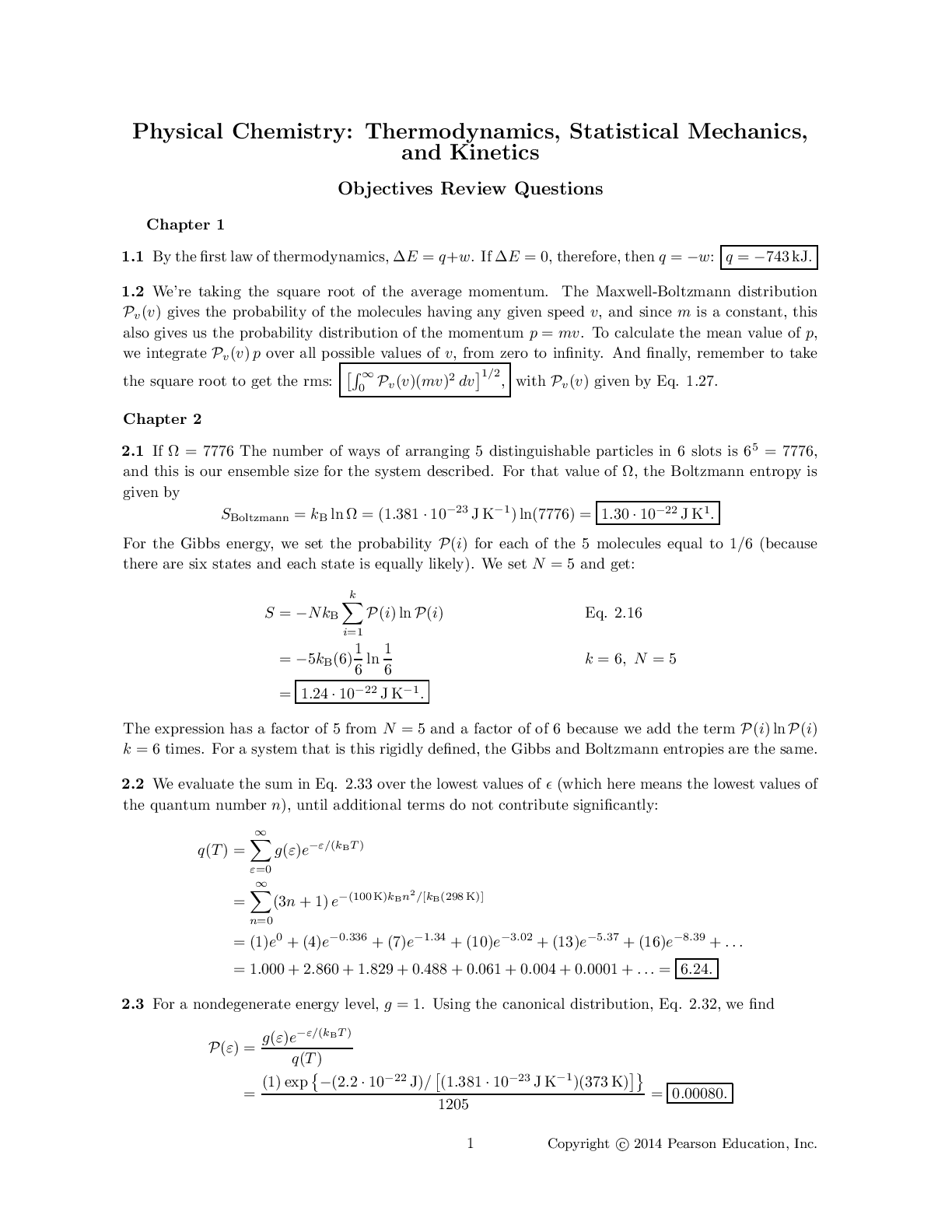
Physical Chemistry Thermodynamics Statistical Mechanics and Ki...
Solutions Manual for Organic Chemistry Student Study Guide 3rd...
General Organic and Biological Chemistry 1st Edition by Kalyn...