Law > QUESTIONS & ANSWERS > LER401: The Law of Labor-Management Relations. Complete Study and Class Notes (35 Pages) (All)
LER401: The Law of Labor-Management Relations. Complete Study and Class Notes (35 Pages)
Document Content and Description Below
Last updated: 3 years ago
Preview 1 out of 35 pages
Instant download

Buy this Document to get the Full Access Instantly
Provided by Students Who Aced it
We Verify Document Content to Gurantee Accuracy
Reviews( 0 )
Document information
Connected school, study & course
About the document
Uploaded On
Mar 28, 2020
Number of pages
35
Written in
All

Additional information
This document has been written for:
Uploaded
Mar 28, 2020
Downloads
0
Views
92
Topic Tags
Recommended For You
Get more on QUESTIONS & ANSWERS »
LER401: The Law of Labor-Management Relations. Complete Study...
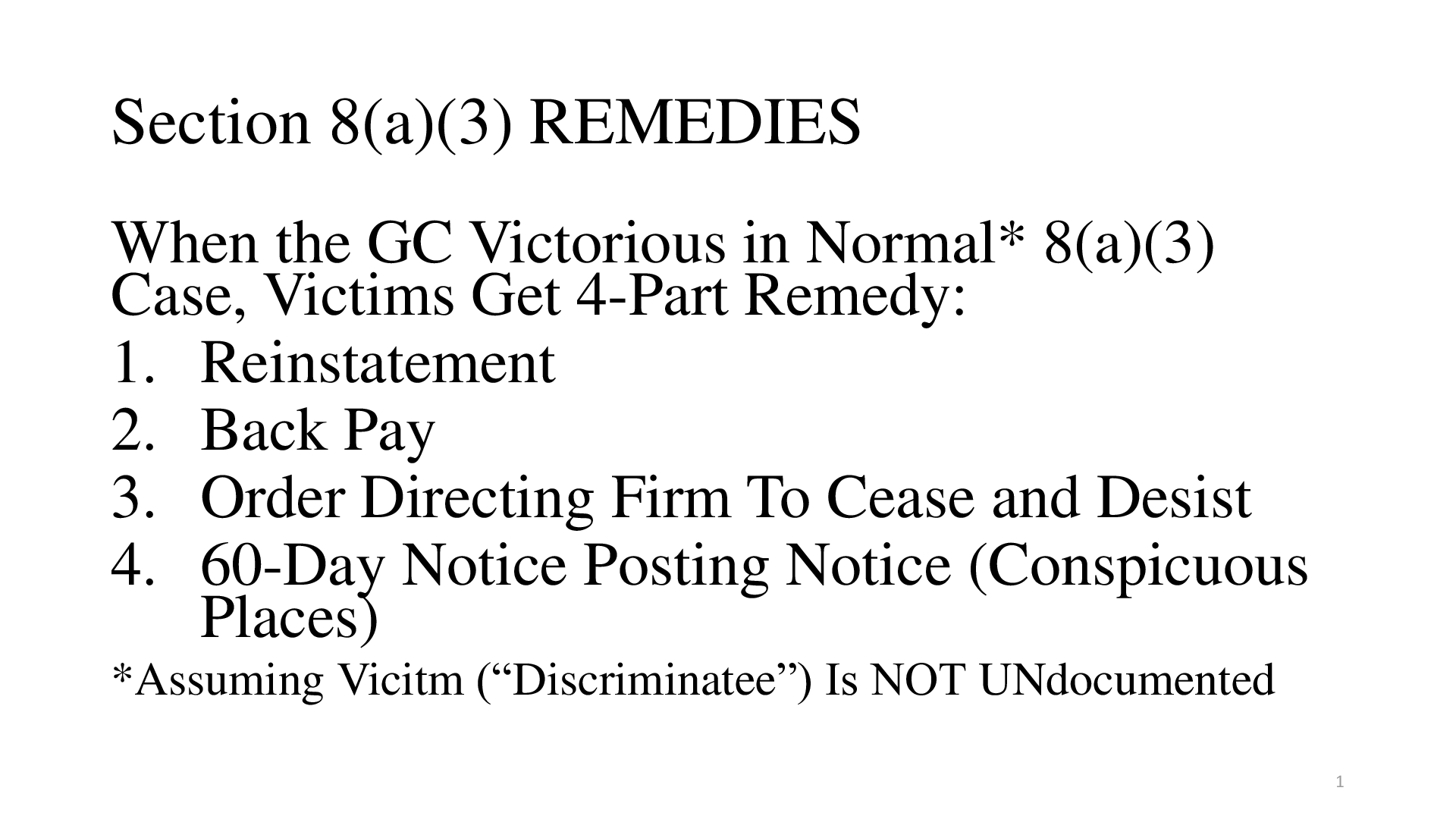
LER401: The Law of Labor-Management Relations. Complete Study...

LER401: The Law of Labor-Management Relations PREV LIR 401. Co...


TEST BANK for Legal Research and Writing for Paralegals, 9th E...

Test bank for Legal Research and Writing for Paralegals 9th Ed...

Test Bank for Legal Research and Writing for Paralegals 9th Ed...

TEST BANK for Legal Research and Writing for Paralegals, 9th E...

Restoring Justice: An Introduction to Restorative Justice 6th...
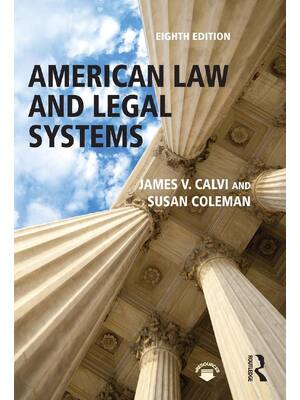
American Law and Legal Systems 8th Edition By James Calvi, Su...
Modern American Remedies Cases and Materials Concise 6th Editi...
Solution Manual Criminal Procedure Law and Practice 11th Editi...
Test Bank Criminal Procedure Law and Practice 11th Edition By...

Legal Writing & Contract Drafting A practical guide for lawyer...

Just Memos Preparing for Practice 6th Edition By Laurel Currie...

eBook Tort Law 7th Edition By Nicholas J. McBride, Roderick Ba...