NR 602 Midterm Study Guide
Topics 26-30: Cryptosporidium, Pyloric stenosis, Intussusception, Celiac Disease, & Juvenile Idiopathic
Arthritis
Cryptosporidium
Cryptosporidium is a parasite. This is a living organism th
...
NR 602 Midterm Study Guide
Topics 26-30: Cryptosporidium, Pyloric stenosis, Intussusception, Celiac Disease, & Juvenile Idiopathic
Arthritis
Cryptosporidium
Cryptosporidium is a parasite. This is a living organism that live sin, or on, another organism. It can
infect bowels and cause cryptosporidiosis. This is a form of bowel infection called Gastroenteritis,
which leads to diarrhea and vomiting.
In most healthy people, the infection produces a bout of watery diarrhea and will go away within a week
or two. Immunocompromised patients…This can be a life -threatening disease.
SSX: The first SSx usually appear within the week after infection
Watery diarrhea
Dehydration
Lack of appetite
Weight loss
Stomach cramps
Fever
N/V
Some people infected will have no symptoms.
Preventing the spread with good hand hygiene, washing fruits and veggies, avoid fecal exposure, avoid
contaminated water
Symptoms usually resolve on their own
Pyloric Stenosis
Characterized by hypertrophied pyloric muscle, causing narrowing of the pyloric sphincter.
Occurs in 3/1000 births
Males >females
Familial
Common in first born Caucasian males
Clinical findings:
Regurgitation and NON projectile vomiting first few weeks of life
PROJECTILE vomiting at 2 to 3 weeks old
Insatiable appetite, with weight loss
Dehydration, constipation
Linked to erythromycin administration n first weeks of life
PE: Weight loss
Vomit that can contain blood
A distinct “olive” mass that is often palpated in the epigastrium to the right of the midline
Reverse peristalsis is seen
Diagnostics
US
Upper GI series shows a “string sign”
Management
Surgery (Pyloromyotomy) after correction of fluid balance
Prognosis is excellent
Intussusception
Thought to be the most frequent reason for intestinal obstruction in children
Most commonly occurs in children 5 to 10 months of age
Most common cause of intestinal obstruction in children 3 months to 6 yo
80% occur before age 2
Generally idiopathic in younger infants
Sometimes in older children, underlying medical predisposing factors: polyps, Meckel diverticulum,
constipation, lymphomas, lipomas, parasites, rotavirus, adenovirus, and foreign bodies.
Can be a complication of CF.
Clinical Findings
Classic Triad: 1) intermittent colicky abdominal pain, 2) vomiting, 3) Bloody mucous stools
Episodic abd pain with vomiting every 5 to 30 minutes
Screaming and drawing legs up, with periods of calm or lethargy b/w episodes
“currant jelly” stools
Hx of URI common
Lethargy
PE
Child may appear glassy-eyed in b/w episodes
Sausage like mass may be felt in RUQ with emptiness in the RLQ (DANCE SIGN)
Abd is distended and tender
Guaiac + stools
Diagnostics
Abd flat plate can appear normalPlain x ray may show sparse or no intestinal gas or stool with air fluid levels and distention in small
bowel only
ABD US is very accurate in detecting intussusception and is TEST OF CHOICE
SHOWS “TARGET SIGN” and the “PSEUDO KIDNEY” SIGN
Management
Emergency: needs pedi radiologist and pedi surgeon
Rehydration, gastric decompression
Radiologic reduction using air contrast enema under fluoroscopy is the gold standard
Surgery is necessary if perforation, peritonitis
IV antibiotics should be given
Celiac Disease
An immune mediated systemic disorder
Triggered by dietary exposure to wheat gluten and related proteins in barley and rye
Typical presentations occur between 6 months and 2 years old
A complete dietary hx is needed:
Past surgery
Growth failure
Delayed puberty can coexist
Chronic diarrhea with frequent, large, foul-smelling, Pale stools
Excessive gas with gas distention
*Chronic or intermittent diarrhea, persistent or unexplained GI symptoms (N/V), weight loss, fatigue
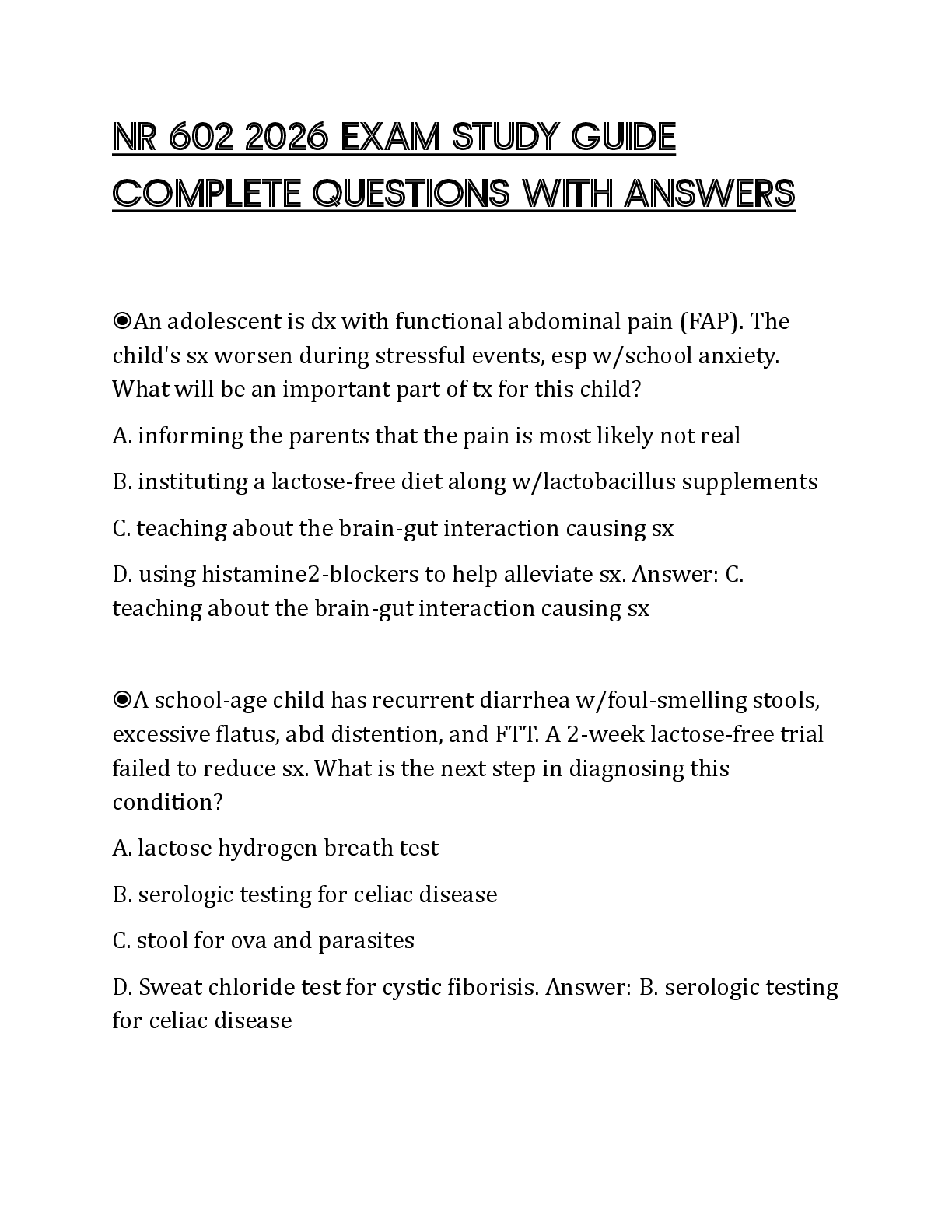
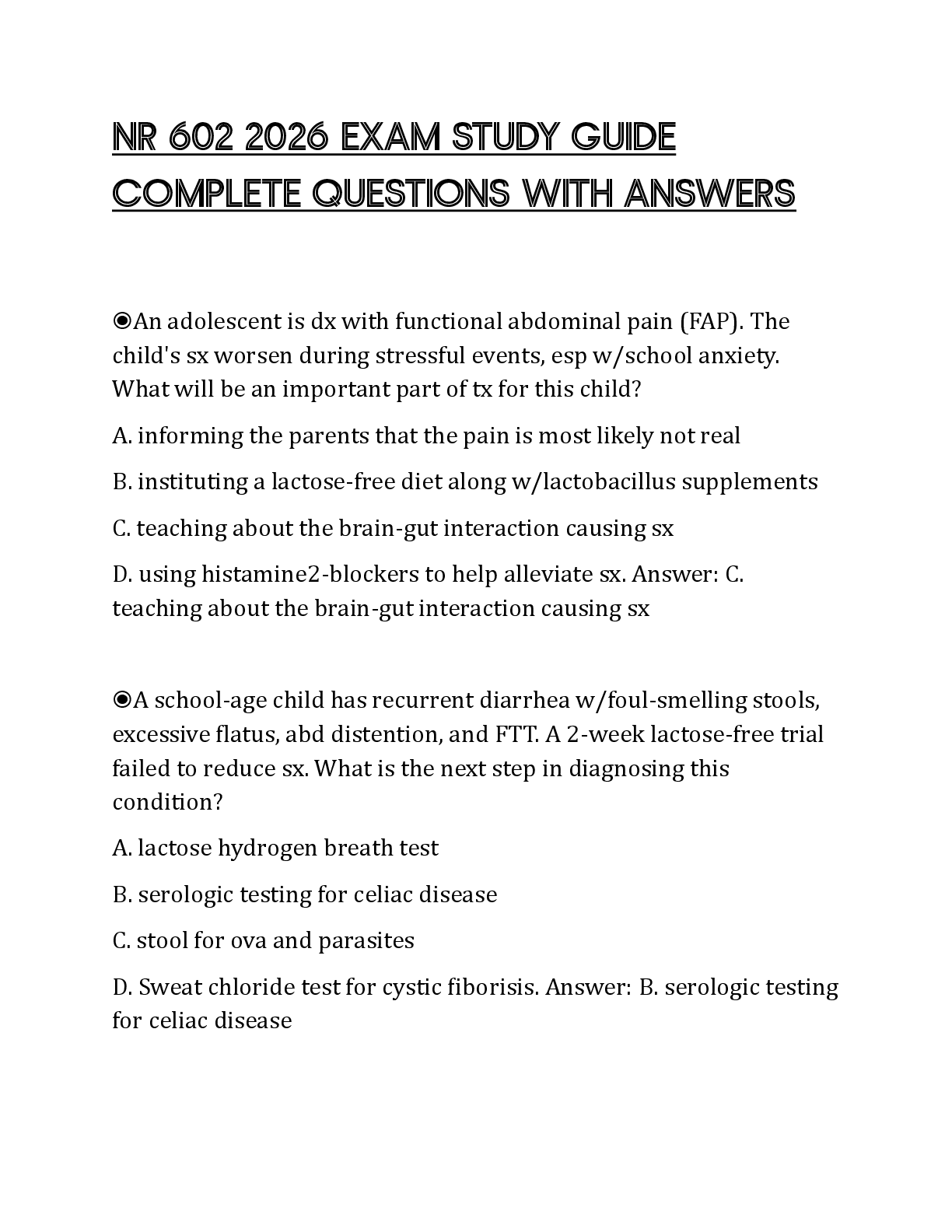
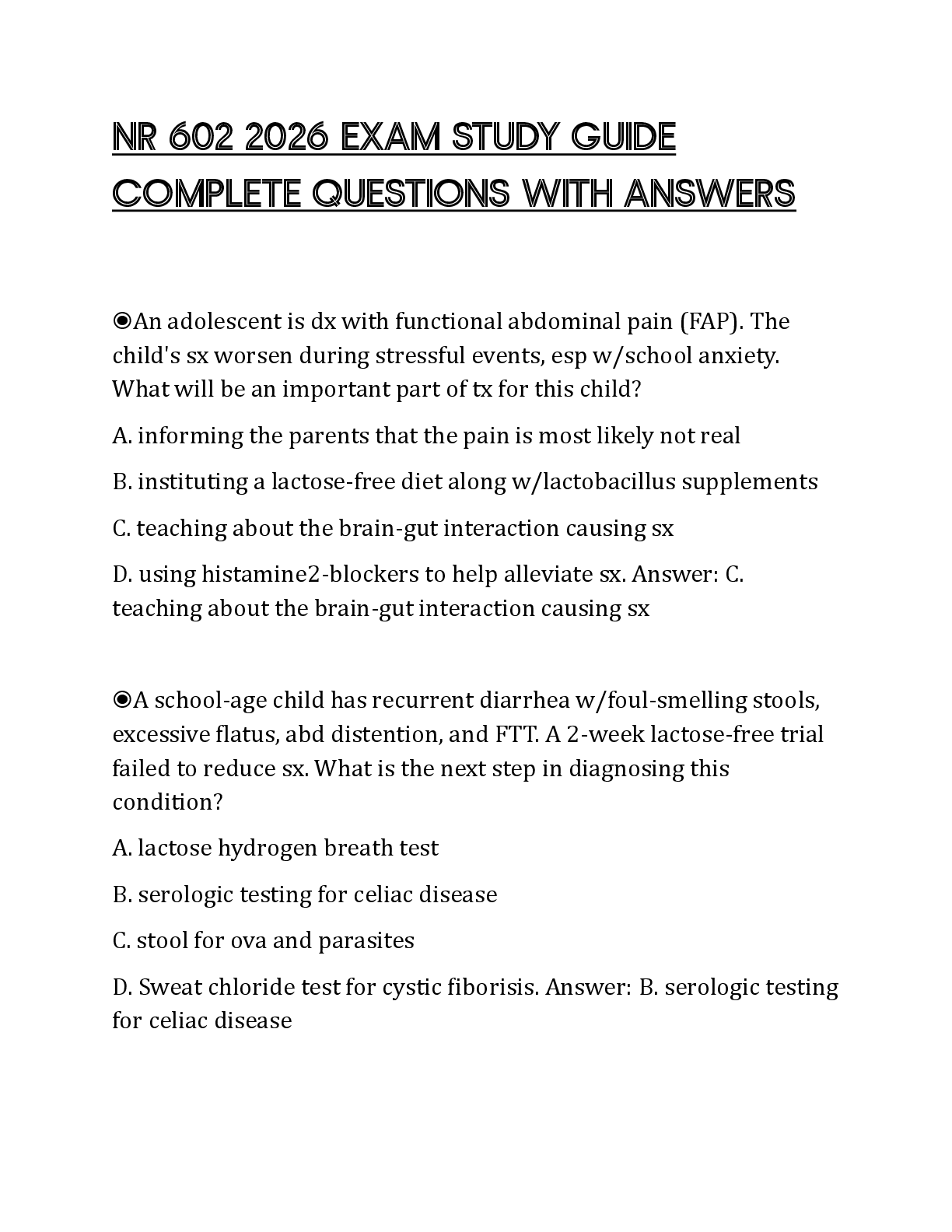
Impaired growth, FTT, Unexplained iron deficiency anemia, abd distention, bloating, cramping
Tests
Serologic testing (Gluten should be eaten more than one meal every day for 6 weeks prior to
testing)…IgA tissue transglutaminase antibody (tTGA) and IgA endomysial antibody (EMA)
If serology testing positive, refer for endoscopy with biopsy for definitive diagnosis
Bone density testing (bone problems may the first symptom of celiac disease)
Juvenile Idiopathic Arthritis (Page 551-554)
Subtypes Oligoarticular: Characteristics: Four or less joints w/ persistent disease never having more than
four-joint involvement and extended disease progressing to more than four joints within the
first 6 months
Polyarticular (RF negative): Five or more joints with symmetrical involvement
Polyarticular (RF positive): Symmetric involvement of both small and large joints with erosive
joint disease
Systemic: Either polyarticular or oligoarticular disease
Enthesitis-related arthritis: Weight bearing joints involved especially the hip and intertarsal
joints and a hx of back pain, which is inflammatory in nature or sacroiliac joint involvement
Psoriatic arthritis: Asymmetric or symmetric small or large joints
Undifferentiated
Diagnosis requires a persistent arthritis for more than 6 weeks in a pediatric pt younger than 16
years old.
Underlying cause unclear
Heterogenous disorder
Likely environmentally induced in genetically predisposed individual
Oligoarticular JIA is the most common subtype
Affects Girls>Boys
Clinical Findings
Pain-generally a mild to moderate aching
Joint stiffness-worse in the morning and after rest; arthralgia may occur during the day
Joint effusion and warmth
Systemic symptoms found more commonly in systemic and polyarticular subtypes: anemia, anorexia,
fever, fatigue, lymphadenopathy, salmon-colored rash, weight loss, growth disturbances rheumatoid
nodules
PE:
Key Findings:
Swelling of the joint with effusion or thickening of synovial membrane
Heat over the inflamed joint and tenderness along joint line
Loss of ROM and function
Uveitis and decreased vision
Diagnostics:
JIA is a diagnosis of exclusion; NO diagnostic lab test for JIA
Useful tests include: CBC, ESR, CRP, Lyme titers, LFTs, ANA
MRI can help in managing joint pathologic conditionsManagement
Refer to pediatric rheumatology
Ophthalmology referral if positive ANA
Therapy depends on the severity of the disease
Goal is to suppress inflammation, preserve and maximize joint function, prevent joint deformities, and
maximize joint function, and prevent blindness
*Page 552-553 goes more in depth on specific subtypes
NSAIDS: Children w/ oligoarthritis generally respond well to NSAIDs
Ibuprofen (greater than 6 months old)
Tolmetin
Naproxen
Indomethacin (older than 2 years old)
Celecoxib (Older than 2 yo)
Oral, parenteral, intraarticular corticosteroids:
Systemic Arthritis: Can be used for 2 weeks as initial therapy for SJIA w/ involvement of 4 or
more joints
All other types: Prednisone in lowest possible dose
Intraarticular corticosteroid injections if severe
Education
Recommend yearly flu vaccine
Instruct to keep appts with specialists
Chronic disease counseling
Physical therapy
Water therapy
Pain management
Questions for Thought
1) The viral gastroenteritis seen in older children and adults has a short incubation (18-72 hours)
and short incubation (24-48 hours), is characterized by abrupt onset of nausea and abdominal
cramps, followed by vomiting and diarrhea, and is often accompanied by headache and myalgia.
What causes this disorder?
a) Enteric adenovirus
b) Enteric calicivirus (Norwalk)
c) Rotavirus
d) CytomegalovirusAnswer: b
Rationale: Gastroenteritis is a common cause of abdominal pain in children. Symptoms vary
depending on the type of viral infection. Rotavirus mainly affects infants 3-15 months in the winter
months, causing voluminous watery diarrhea w/out leukocytes. Enteric adenoviruses are the
second most common viral infection in infants, with symptoms similar to rotavirus except the
duration of the illness may be longer. Enteric calicivirus (Norwalk) mainly causes vomiting but also
diarrhea in older children and adults. Duration of symptoms are short, usually 24-48 hrs.
Cytomegalovirus rarely causes diarrhea.
2) The family nurse practitioner is interpreting the notation of “string sign” on an upper GI series
performed on an infant. This is associated with the dx of:
a) Intussusception
b) Hirschsprung’s disease
c) Pyloric stenosis
d) GERD
Answer: C
Rationale: In book page 1102
3) An 18 -month old child is brought to the clinic by her mother and is c/o abrupt onset of
vomiting, followed by more than 10 liquid stools with mucus for the past 48 hours. Temp is 100
degrees F orally. The stool smear obtained is negative for WBCs. What is the most likely
etiologic pathogen for this young child’s gastroenteritis?
a) Rotavirus
b) Shigella dysenteriae
c) Campylobacter jejuni
d) Salmonella
Answer: A
Rationale: Rotavirus is the most frequent cause of gastroenteritis in children 6 months to 2 years of age.
4) What question by the FNP would be appropriate to ask the parents of an infant suspected of
intussusception?
a) “Does the infant have clay colored stools?”
b) “Does the infant have projectile vomiting?”
c) Does the infant have constant abdominal pain?”
d) Does the infant have red currant jelly stools?”
Answer: D
Rationale: Red currant jelly stools are seen in intussusception and are caused by a mixture of stool,
mucus and blood.5) A common cause of acute abdominal pain in children under 5 years old?
a) Appendicitis
b) Intussusception
c) Incarcerated hernia
d) Gastroenteritis
Answer: D
Rationale: Gastroenteritis is the most common cause of abdominal pain in all age groups
6) A 6 year old patient with sore throat has coryza, hoarseness, and diarrhea. What is the likely
etiology?
a) Group A Strep
b) H. Parainfluenzae
c) Viral etiology
d) Mycoplasma
Answer: C
Hollier practice questions pg 455-456
7) A 14-year-old boy os brought In by his mother who reports that her son has been complaining
for several months of recurrent bloating, stomach upset, and occasional lose stools. She reports
that he has difficulty gaining weight and is short for his age. She ahs noticed that his symptoms
are worse after eating large amounts of crackers, cookies, and breads. She denies seeing blood
in the boy’s stool. Which of the following conditions is most likely?
a) Amebiasis
b) Malabsorption
c) Chrohn’s colitis
d) Celiac disease
Answer: D
8) Which of the following findings could be expected to occur in a baby with intussusception?
a) Inconsolable screaming
b) Olive- shaped mass
c) Left to right peristaltic waves
d) Weight loss
Answer: A
9) The most common rheumatoid disease of childhood is:
a) Systemic lupus erythematosus
b) Kawasaki disease
c) Juvenile idiopathic arthritis
d) Legg-Calve Perthes disease
Answer: C10) Vomiting in infancy has a long list of differential diagnoses. Which accompanying symptom
would likely point to pyloric stenosis?
a) Diarrhea
b) Appropriate growth
c) Acts hungry after vomiting
d) Sausage-shaped mass in abdomen
Answer: C
[Show More]





![Preview of WEEK **5 [Chamberlain university]NR 602 IHUMAN Case Week #5 Deborah Arnaudin 54 Year Old](https://browseimages.nyc3.digitaloceanspaces.com/paper-images/2026/03/31/zbQKePwt2026-03-31-11-4669cc328fcad96.png)




.png)