Business > CASE STUDY > IT332 Unit7.docx Unit 7 Assignment IT332 – Principles of Information Systems Archite (All)
IT332 Unit7.docx Unit 7 Assignment IT332 – Principles of Information Systems Archite
Document Content and Description Below
Last updated: 3 years ago
Preview 1 out of 5 pages
Instant download

Buy this Document to get the Full Access Instantly
Provided by Students Who Aced it
We Verify Document Content to Gurantee Accuracy
Reviews( 0 )
Document information
Connected school, study & course
About the document
Uploaded On
Sep 21, 2022
Number of pages
5
Written in
All

Additional information
This document has been written for:
Uploaded
Sep 21, 2022
Downloads
0
Views
89
Topic Tags
Related Subjects & Courses
Explore similar study resources and related concepts.
Recommended For You
Get more on CASE STUDY »
IT332 Unit6 Assignment2.docx Unit 6 Assignment IT332 – P...

IT332 unit 1 assignment.docx IT332 Principles of Informat...

IT332 Unit 2 Assignment.docx IT-332 IT332-01 Principles o...

WestJet in 2009 The Fleet Expansion Decision, By Stewart Thorn...
Pearson’s Federal Taxation 2023 Individuals, 36e Timothy Ruper...
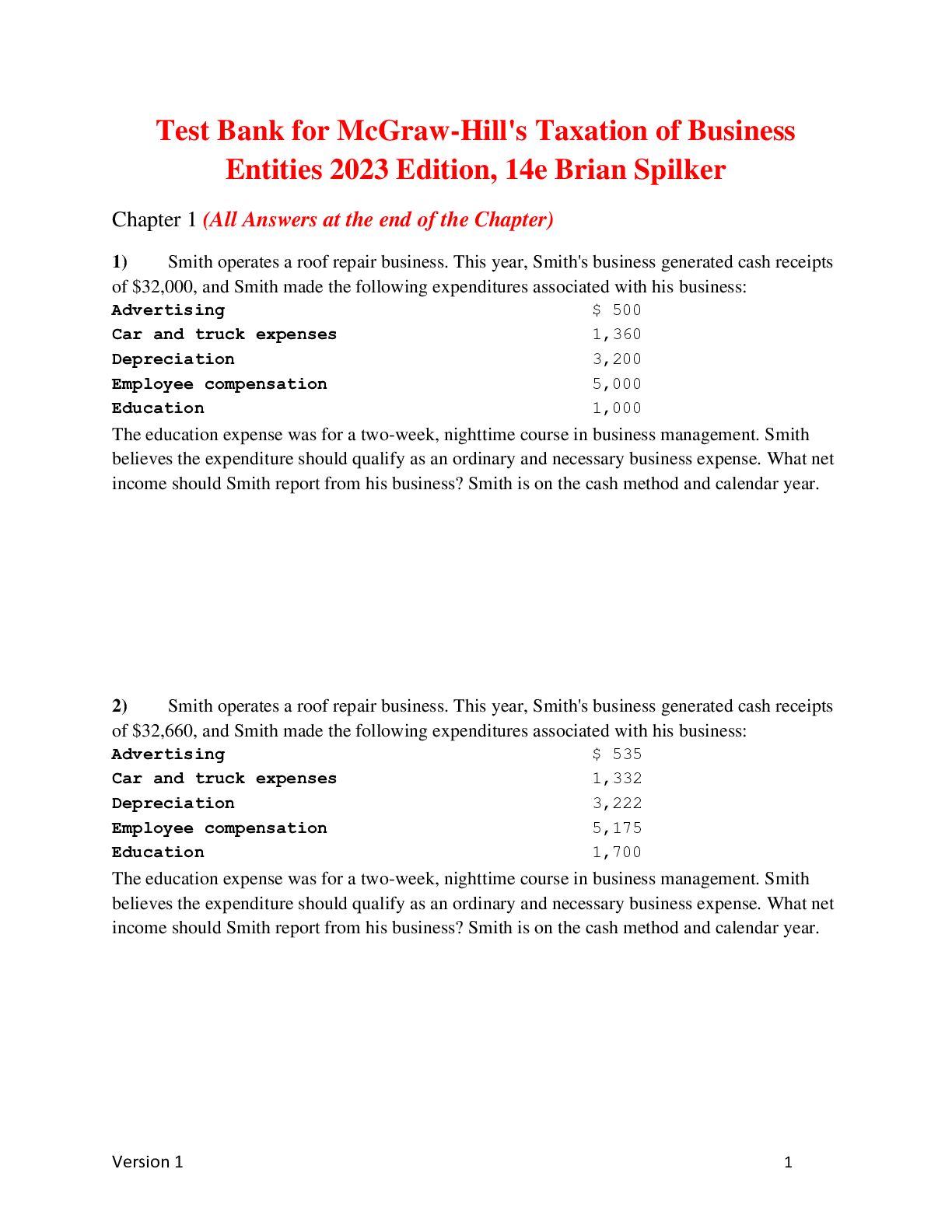
McGraw-Hill's Taxation of Business Entities 2023 Edition, 14e...
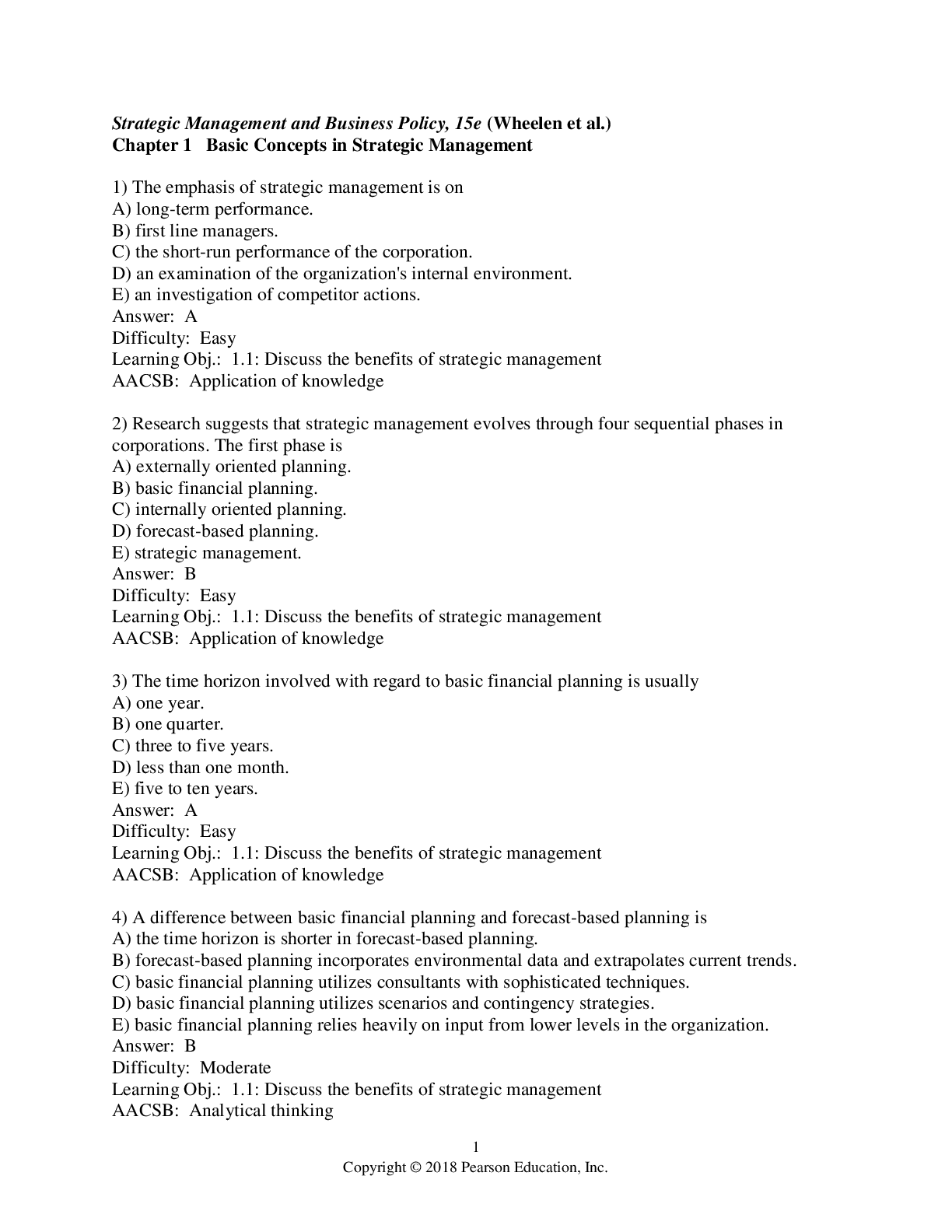
Concepts in Strategic Management and Business Policy Globaliza...

Business Law 17th Edition Langvardt Test Bank.Answers and chea...
Solutions Manual for Business Research Methods, 5th Edition By...